Guides and Reference
The tables nobody else prints: temperature by hair type, what a blowout costs to run, and what the spec-sheet words actually mean.
How this page is funded: the buy links below are affiliate links, and Heat Index earns a commission on qualifying purchases at no cost to you. Nothing on this page was supplied by a manufacturer, and commission plays no part in the ranking — read the full disclosure. Picks are chosen from published specifications, not from hands-on testing; the method is written down so you can check it. Prices last verified October 23, 2026.
Nine of the biggest hair tool roundups on the web were read closely while this site was planned. Not one of them publishes a temperature-by-hair-type chart. Not one publishes what a blow dry costs to run. Not one explains what a spec sheet means by ionic, ceramic and tourmaline in a way that lets you tell which is a mechanism and which is a material.
Those are the pages here. They are the reason this site exists as much as the roundups are, and they are what the roundups cite.
Reference tables
- Flat iron temperature by hair type — the chart, with what the published research reports about each threshold.
- Clipper guard sizes explained — number to inches to millimeters, and why the numbering works the way it does.
- What a blow dry costs to run — the arithmetic, with the EIA rate and the working shown.
- What size curling iron do you need — barrel diameter to curl shape to hair length.
- Curling iron temperature by hair type — the chart, and why dwell time makes this number lower than the flat iron one.
Spec explainers
- Ionic vs ceramic hair dryers — which words on the box describe a mechanism and which describe a coating.
- Ceramic vs titanium flat irons — the plate material decision, decided by your hair rather than by price.
- Do I need a heat protectant — what it does, what it does not, and what the AAD actually says.
- Hair dryer attachments explained — concentrator, diffuser, oscillating nozzle and comb.
- Does blow drying damage hair — yes, but far less than an iron, and not always more than air drying.
Technique
- Preventing heat damage — the thresholds from published research, and the changes that matter most.
- How to blow dry curly hair — the diffuser method, step by step.
- How to get a blowout at home — sectioning, tension and the cool shot.
- How to fade hair with clippers — the taper lever, and the two things that go wrong.
- How to trim a beard neckline — where the line goes, and the mistake that takes a month to undo.
- How to shave without razor bumps or ingrown hairs — the AAD's published fixes, ranked by how much they help.
Quick picks
Ranked, with the reasoning underneath. Tap any row to jump to that write-up; tap the price to check it on Amazon. Prices come from the live layer, never from this page.
| # | Product | Best for | Type | Price |
|---|---|---|---|---|
| 1 | 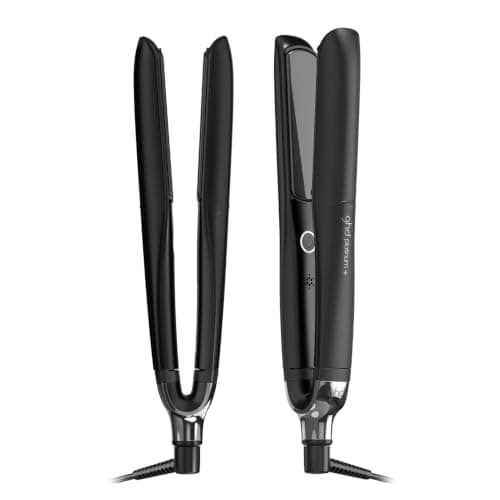 ghd platinum+ StylerOne temperature, 365F, held by a sensor system reading 250 times a second. It is the opposite design philosophy to a 450F iron and it is the better one. ghd platinum+ StylerOne temperature, 365F, held by a sensor system reading 250 times a second. It is the opposite design philosophy to a 450F iron and it is the better one. | A single temperature chosen for hair health, not marketing | Predictive-heat iron | |
| 2 | 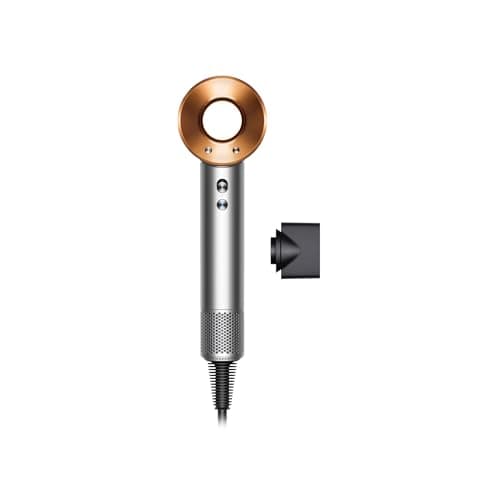 Dyson Supersonic Origin Hair DryerThe one dryer that tells you what each heat setting actually is in degrees, which makes it the only one in the category you can plan a routine around. Dyson Supersonic Origin Hair DryerThe one dryer that tells you what each heat setting actually is in degrees, which makes it the only one in the category you can plan a routine around. | Published temperatures on every heat setting | 1,600W dryer | |
| 3 | No photoHSI Professional Glider Ceramic Tourmaline Ionic Flat IronA 140F floor is the useful number here. Almost nothing in this price bracket goes low enough to be usable on fine or bleached hair, and this does. | A wide adjustable range at a low price | Ceramic tourmaline iron | Check price#ad |
| 4 | 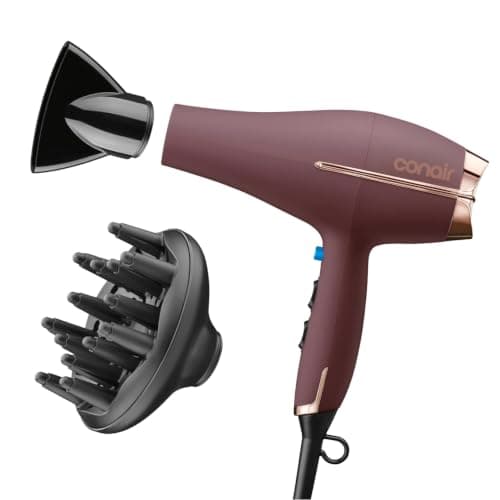 Conair InfinitiPro 1875W Salon Performance AC Motor Dryer (259BDNRY)An AC motor, a diffuser and a concentrator in the box, at a price where most dryers give you a DC motor and one nozzle. This is the sensible default. Conair InfinitiPro 1875W Salon Performance AC Motor Dryer (259BDNRY)An AC motor, a diffuser and a concentrator in the box, at a price where most dryers give you a DC motor and one nozzle. This is the sensible default. | The most drying power per dollar, with a diffuser included | 1,875W AC dryer |
#1 · A single temperature chosen for hair health, not marketing
ghd platinum+ Styler
One temperature, 365F, held by a sensor system reading 250 times a second. It is the opposite design philosophy to a 450F iron and it is the better one.
| Temperature | Optimized constant 365F across the platessource |
|---|---|
| Heat regulation | Ultra-zone predictive technology monitors heat 250 times a secondsource |
| Adaptation | Recognizes hair thickness and speed of styling and adjusts accordinglysource |
| Plates | Precision-milled ceramic plates with a wishbone hinge and round barrelsource |
| Auto shut-off | After 30 minutessource |
| Voltage | Universal voltagesource |
What those numbers mean
365F as a fixed target is a deliberate rejection of the specification race. It sits under every temperature the thermal-damage literature associates with cortex damage, and the tool simply will not let you go higher.
The interesting part is the 250-readings-per-second control loop. A conventional iron cools when cold hair hits it and then overshoots on the way back; a fast loop holds the number, which is why one pass at 365F can beat two at 400F.
ghd publishes percentage claims about stronger hair, more shine and color protection. Those are the manufacturer's own claims from their own testing, and we are not in a position to verify them, so treat them as positioning rather than data.
What it does well
- One well-chosen temperature, under every threshold in the cited research
- 250 temperature readings per second, the fastest control loop published here
- Rounded barrel makes curls and waves possible with the same tool
- Universal voltage and a 30-minute auto shut-off
What it does not
- No adjustment at all, so very coarse hair may need more passes
- Premium price for a single-temperature tool
- The percentage benefit claims are the manufacturer's own and unverifiable from outside
Skip this one if: Skip it if you have dense, coarse or 4C hair and want a silk-press result in one pass. 365F is a health-first ceiling, and on that hair type it will mean revisiting sections.
#ad · how this is funded · price as of October 23, 2026
#2 · Published temperatures on every heat setting
Dyson Supersonic Origin Hair Dryer
The one dryer that tells you what each heat setting actually is in degrees, which makes it the only one in the category you can plan a routine around.
| Power | 1,600W at full powersource |
|---|---|
| Heat settings | 4 settings — 212F (100C), 176F (80C), 140F (60C), and constant coldsource |
| Speed settings | 3 — fast drying, regular drying, gentle dryingsource |
| Airflow | Up to 41 liters per secondsource |
| Heat regulation | Measures air temperature over 40 times a secondsource |
| Dimensions | 9.6 in long, 3.9 in wide, 3.1 in deepsource |
What those numbers mean
Four heat settings published as 212F, 176F and 140F plus cold is the disclosure the rest of the category refuses to make. It means you can pick a setting against a damage threshold instead of against a vague label.
Note where those numbers sit. Even the hottest setting, 212F, is below the 302F figure Shark names as its damage line and far below the temperatures at which the literature reports cuticle degradation.
1,600W is less nominal power than a US 1,875W dryer, and 41 l/s of airflow is how it compensates. Again: air speed, not temperature.
What it does well
- Publishes an actual temperature for every heat setting, uniquely in this category
- Airflow figure published in liters per second
- Top setting of 212F is below every damage threshold in the cited research
- Attachments attach magnetically and can be changed mid-dry
What it does not
- Costs several times what a competent 1,875W dryer costs
- 1,600W nominal will feel slower than an AC dryer on very thick hair
- Dyson does not sell through every retailer, so availability moves around
Skip this one if: Skip it if the budget is the constraint rather than the information. Everything the Supersonic does for hair health can be approximated by running a cheaper dryer on medium heat and high speed, which costs nothing.
#ad · how this is funded · price as of October 23, 2026
photo
#3 · A wide adjustable range at a low price
HSI Professional Glider Ceramic Tourmaline Ionic Flat Iron
A 140F floor is the useful number here. Almost nothing in this price bracket goes low enough to be usable on fine or bleached hair, and this does.
| Temperature range | 140F to 450F, adjustablesource |
|---|---|
| Plates | 1-inch ceramic tourmaline floating platessource |
| Heat regulation | 8 HeatBalance micro-sensors, 4 on each platesource |
| Voltage | Worldwide dual voltage, 110V-220Vsource |
| Plate shape | Floating plates with curved edges for straightening, curling or flippingsource |
What those numbers mean
A 140F floor is the specification that makes this the fine-hair pick in its price class. Most cheap irons start at 250F or 300F, which is already too hot for hair that is bleached or breaking.
Eight sensors across two plates is a real design choice, not a coating claim. Sensors are how an iron notices that a cold, wet section has dragged the plate temperature down, and how it avoids overshooting on the recovery.
Curved edges mean the same iron can bend a curl instead of only flattening. On short hair especially, that turns one tool into two.
What it does well
- 140F floor, genuinely low enough for fine and bleached hair
- Eight temperature sensors, unusual disclosure at this price
- Curved plates work for curls and flips as well as straightening
- Worldwide dual voltage
What it does not
- Ceramic recovers more slowly than titanium on very coarse hair
- HSI does not publish a plate length or a heat-up time
- The 450F top end exists and should be left alone
Skip this one if: Skip it if your hair is coarse and dense and you are straightening it fully. Ceramic plates will lose temperature against that hair and you will end up doing repeat passes, which is worse than one pass with a titanium iron.
#4 · The most drying power per dollar, with a diffuser included
Conair InfinitiPro 1875W Salon Performance AC Motor Dryer (259BDNRY)
An AC motor, a diffuser and a concentrator in the box, at a price where most dryers give you a DC motor and one nozzle. This is the sensible default.
| Power | 1,875 watts, AC motorsource |
|---|---|
| Settings | 3 heat / 2 speed settingssource |
| Manufacturer claim | Up to 50 percent faster drying time and 3x longer dryer life than a DC motorsource |
| Attachments | Concentrator and diffusersource |
| Other | True cold-shot button, removable filtersource |
| Weight | 2.27 lbsource |
What those numbers mean
AC versus DC is the one motor distinction worth caring about. AC motors are heavier and last longer, and they are the reason a salon dryer survives daily use while a drugstore dryer does not.
The 50-percent and 3x figures are Conair's own claims about their AC motor relative to a DC one, not independent measurements. Read them as the manufacturer's positioning, which is exactly what they are.
2.27 lb is heavy for a home dryer. If you hold a dryer overhead for fifteen minutes, that weight is a real ergonomic cost and the lighter high-speed dryers are worth the price difference.
What it does well
- AC motor at a mass-market price, which is the genuinely uncommon part
- Diffuser in the box, so curly routines need nothing extra
- Removable filter and a true cold shot
- 1,875W is the practical maximum for a US household circuit
What it does not
- 2.27 lb, noticeably heavy in the hand
- Conair does not publish an air temperature, so heat settings are unquantified
- Three heat settings is a coarse grid next to digital tools
Skip this one if: Skip it if arm fatigue is your actual complaint. The AC motor that makes this durable is also what makes it heavy, and no amount of power fixes a tool you put down early.
How these are sourced
Because Heat Index does not test anything, sourcing is the authority. Every figure on every guide traces to a manufacturer spec sheet, a government dataset, or peer-reviewed work — and it is linked so you can check it. Where a figure could not be verified, the page says so rather than estimating.
Two sources do a lot of work across these pages: published research on thermally treated hair for the temperature thresholds, and the US Energy Information Administration for the electricity rate behind the cost arithmetic. Both are linked on every page that uses them, and the methodology explains the standards.
Questions people actually ask
Where do the temperature figures on this site come from?
Two places, kept separate. Tool temperatures come from the manufacturer's own published specifications and are linked to that source on every page. The damage thresholds come from published research on thermally treated hair, which reports cuticle degradation beginning around 302F and cortex damage from around 392F. We do not measure anything ourselves and do not claim to.
Can I cite these charts?
Yes, please do. These pages exist to be the reference that was missing, and every figure on them links to its own source so you can verify it independently before citing it. If you find an error, tell us and we will correct the page with a dated note.
How often are the guides updated?
Guides are reviewed every six months, and immediately when a source figure changes — the EIA electricity rate, for example, updates monthly and the running-cost page carries the date of the figure it used. Every page shows both its publish and last-updated dates.
Sources
Every figure on this page traces to one of these. If a number here disagrees with the manufacturer, the manufacturer is right and we want to know — tell us.
- Thermal-induced changes in cuticle and cortex of chemically treated hair, PubMed Central
- Thermal denaturation and structural changes of alpha-helical proteins in keratins, Journal of Structural Biology
- U.S. Energy Information Administration, Electric Power Monthly table 5.3 — average retail price of electricity to residential customers
- American Academy of Dermatology — tips for healthy hair
Read next
Temperature Chart
Flat Iron Temperature by Hair Type
The temperature-by-hair-type chart, set against the damage thresholds published research reports, with irons that let you hit them.
Top pick: ghd platinum+ Styler
Cost Calculator
How Many Watts Should a Hair Dryer Be?
What hair dryer wattage means, what a blow dry costs on the current EIA average rate, and why airflow matters more than watts.
Top pick: Conair InfinitiPro 1875W Salon Performance AC Motor Dryer (259BDNRY)
Damage Guide
How to Prevent Heat Damage
The thermal thresholds from published research, and the seven changes that reduce heat damage most, ordered by how much they help.
Top pick: Dyson Supersonic Origin Hair Dryer
Plate Material Guide
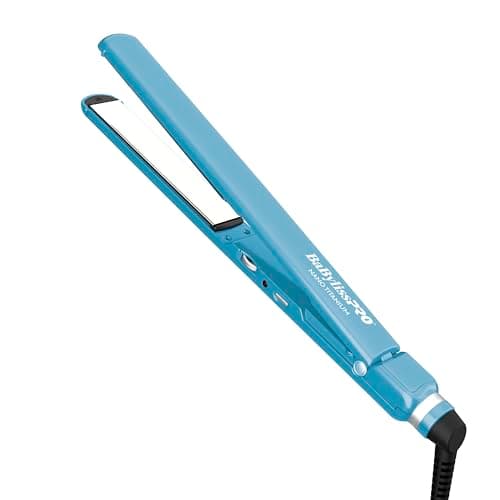
Ceramic vs Titanium Flat Irons
The plate material decision explained by heat transfer rather than price, with which material suits which hair type and why.
Top pick: BaBylissPRO Nano Titanium 1-inch Ultra-Thin Straightener
Guard Chart
Clipper Guard Sizes Explained
The full clipper guard chart — number to inches to millimeters — plus why the numbering works that way and which lengths to use.
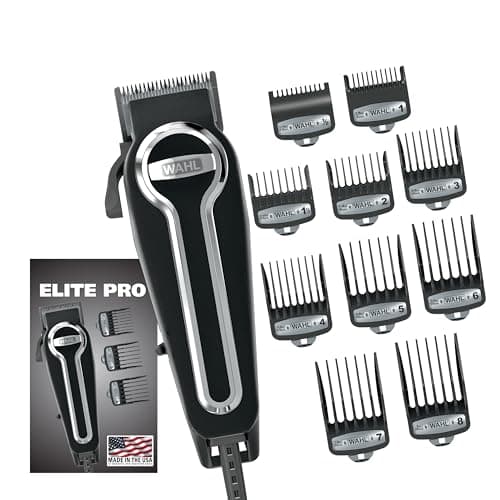
Top pick: Wahl Elite Pro Corded High-Performance Clipper Kit (79602)
Start Here
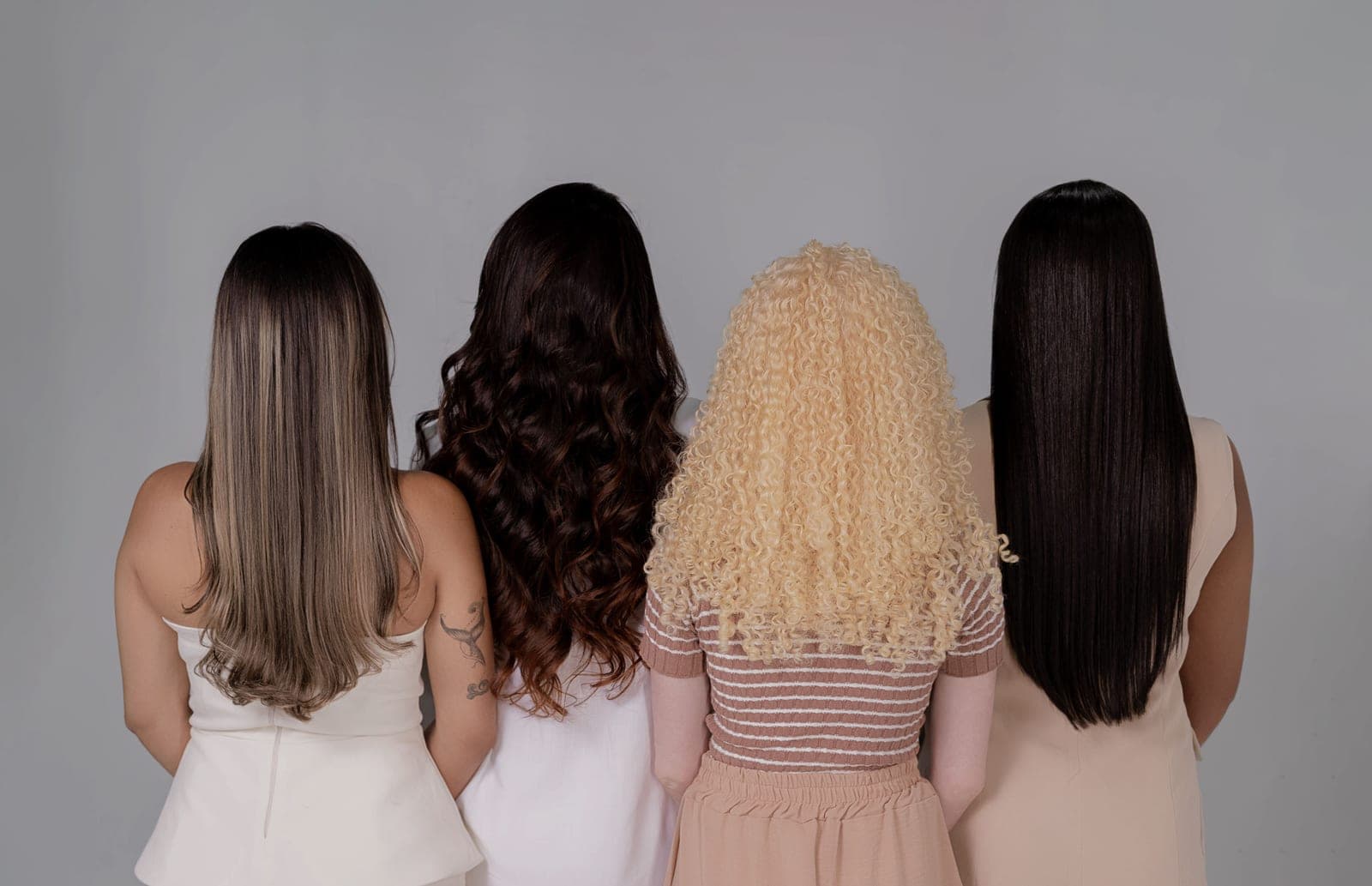
Hair Styling Tools, Sorted by Hair Type
Six hair types with the specifications each one genuinely needs, routing to every dryer, iron, brush and curler we cover for it.
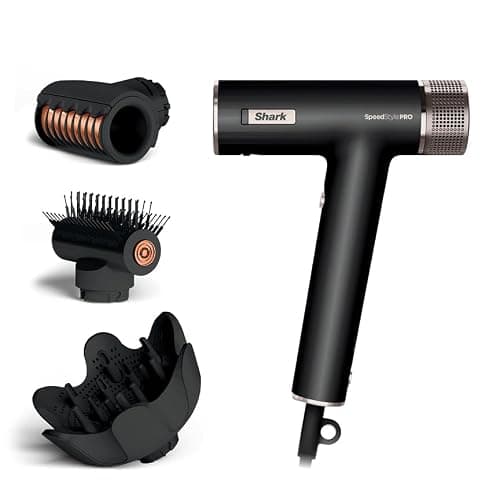
Top pick: Shark SpeedStyle Pro Ionic Dryer (HD732)