Do I Need a Heat Protectant?
Short answer: yes, and it is worth understanding what it buys you — because the honest version is smaller than the marketing and still worth doing.
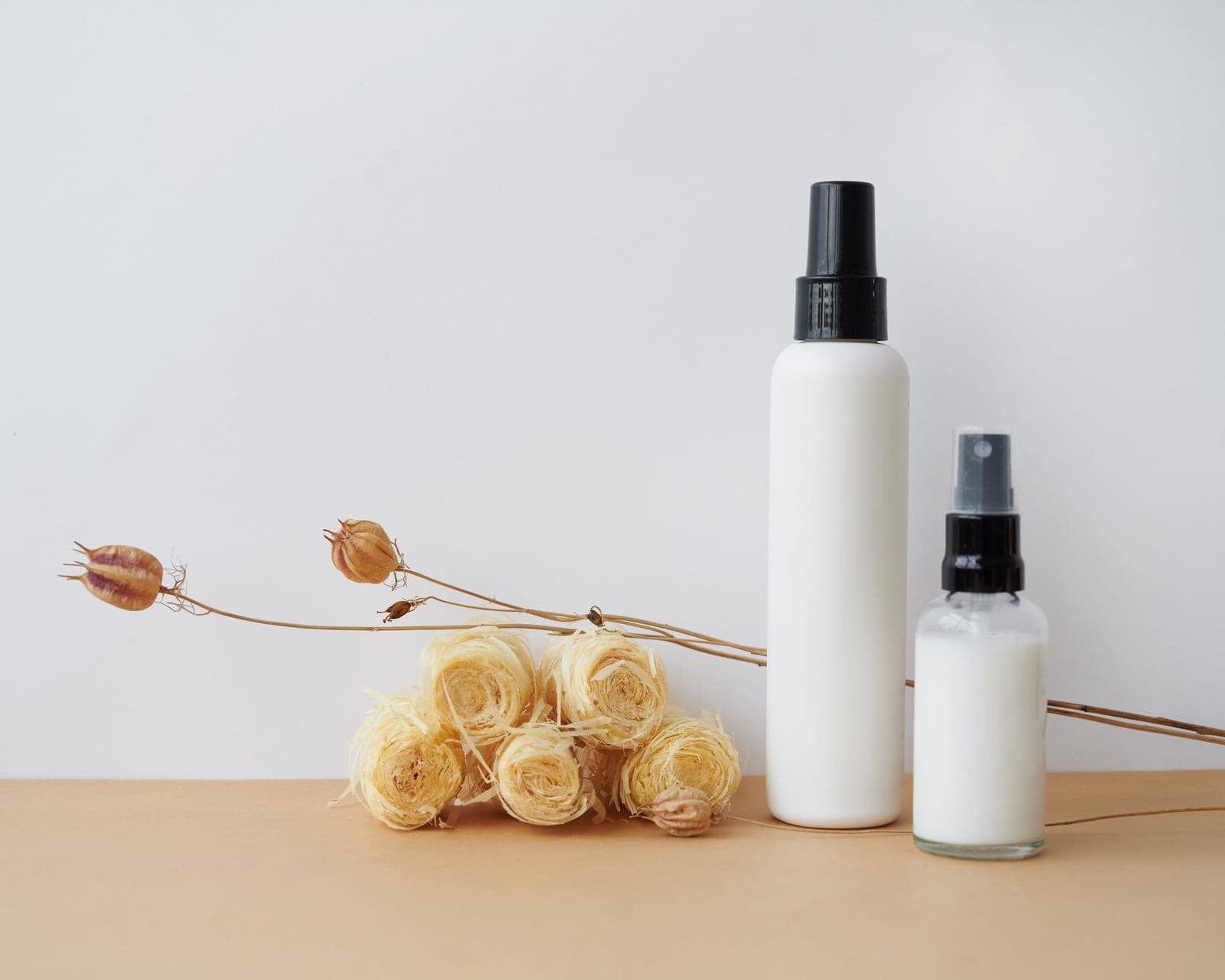
Yes. The American Academy of Dermatology's guidance on healthy hair is to use low or medium heat settings and a product to protect your hair from the heat. It is one of the few points where a professional body is explicit about this, and it is worth taking at face value.
The rest of this page is about what that product actually does, because the marketing around the category oversells it in a specific and unhelpful way.
What a heat protectant does
- Slows heat transfer into the fiber. A film on the outside of the hair means the strand takes longer to reach the temperature of the tool, so less of the exposure lands on the keratin.
- Reduces moisture loss during styling. Rapid water loss from the cortex is part of what makes heat-styled hair brittle.
- Reduces friction, which matters more than people expect — a brush or a plate dragging on dry hair lifts cuticle mechanically, independently of any heat.
- Smooths the cuticle cosmetically, which is why hair looks shinier immediately after using one. That part is appearance rather than protection.
What it does not do
- It does not make wet-hair ironing acceptable. Wet keratin denatures between 120C and 150C. No film changes that.
- It does not repair existing damage. Nothing does. See preventing heat damage.
- It does not have a measurable SPF-style rating. There is no standardized scale for heat protection, so claims like "protects up to 450F" are not comparable between brands the way an SPF number is.
- It does not replace lowering the temperature. The AAD recommends low or medium heat AND a protectant. Both, not either.
How to use one so it works
- Apply to damp hair, before drying — not to dry hair immediately before ironing. The drying stage is heat exposure too, and it is the stage most people leave unprotected.
- Distribute it properly. Comb it through. A protectant sitting on the top layer protects the top layer.
- Focus on the mid-lengths and ends. They are older, more damaged and get more tool contact than the roots do.
- Do not soak the hair. More product does not mean more protection, and excess weighs fine hair down and can sizzle on a hot plate.
- Let it dry before an iron touches it. Applying a wet product and immediately ironing puts you back in the wet-hair scenario, which is the thing you were avoiding.
Which pairs with which tool
A protectant matters most where contact heat is highest, which means the tools rather than the sprays are what to prioritize. In rough order of exposure: flat irons and curling irons first, then contact brushes, then dryers.
- [Flat irons](/straighteners) — highest exposure on this site. 330F to 450F in direct contact. Always use one.
- [Curling irons](/curling-irons) — same order of contact heat, similar durations.
- [Blow-dry brushes](/blow-dry-brushes) — contact heat, but far lower. Worth using.
- [Hair dryers](/hair-dryers) — no contact, and published maximums of 212F to 230F on the tools that publish anything. Worth using, and the lowest priority of the four.
If you only do one of the things on this page, apply a protectant before the drying stage rather than before the ironing stage — that is where most people leave the biggest gap.
Questions people actually ask
Do I really need a heat protectant?
The American Academy of Dermatology's healthy-hair guidance is explicitly to use low or medium heat settings and a product to protect hair from the heat. So yes — with the caveat that it is a supplement to lowering the temperature, not a substitute for it. The AAD recommends both.
Does heat protectant actually work?
It slows heat transfer into the fiber, reduces moisture loss during styling, and reduces the friction that lifts cuticle mechanically. Those are real and modest benefits. What it does not do is make a higher temperature safe — it buys margin at the setting you were already using, and treating it as permission to turn the heat up converts a small benefit into a large cost.
Should I apply heat protectant to wet or dry hair?
Damp hair, before the drying stage. Most people apply it to dry hair just before ironing, which leaves the entire blow-drying stage unprotected — and that stage is heat exposure too. Comb it through so it reaches more than the top layer, focus on mid-lengths and ends, and let it dry before an iron touches the hair.
Can I use hair oil as a heat protectant?
Not reliably, and some oils have low smoke points that make the situation worse rather than better. Products formulated as heat protectants are designed to form a film that survives styling temperatures. That said, there is no standardized rating scale in this category, so claims like "protects up to 450F" are not comparable between brands the way an SPF number is.
Does heat protectant let me use a higher temperature?
No, and this is the most consequential misreading of the category. A protectant buys a margin at the temperature you were already using. Going from 350F to 450F because you applied a spray takes a small protective benefit and spends it many times over — published research reports cortex damage beginning around 392F regardless.
Sources
Every figure on this page traces to one of these. If a number here disagrees with the manufacturer, the manufacturer is right and we want to know — tell us.
Read next
Reference
Guides and Reference
Fourteen reference guides covering temperature by hair type, running costs, spec explainers and technique, every figure linked to its source.
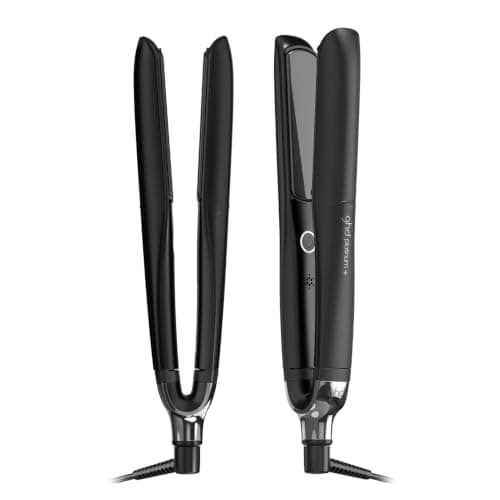
Top pick: ghd platinum+ Styler
Damage Guide
How to Prevent Heat Damage
The thermal thresholds from published research, and the seven changes that reduce heat damage most, ordered by how much they help.
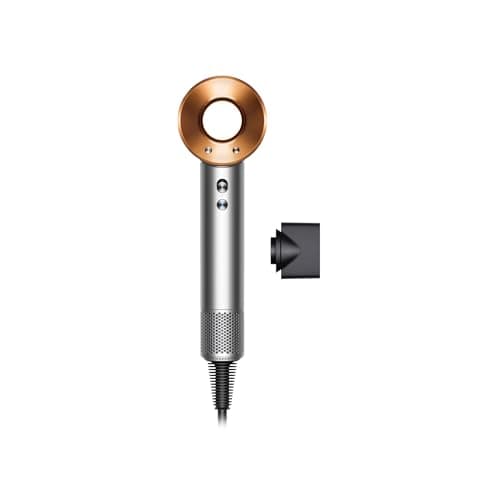
Top pick: Dyson Supersonic Origin Hair Dryer
Temperature Chart
Flat Iron Temperature by Hair Type
The temperature-by-hair-type chart, set against the damage thresholds published research reports, with irons that let you hit them.
Top pick: ghd platinum+ Styler
Damaged Hair Guide
Hair Styling Tools for Damaged and Color-Treated Hair
Every tool we recommend for damaged and bleached hair, filtered strictly on published temperature disclosure.
Top pick: Dyson Supersonic Origin Hair Dryer
Best for Damaged Hair
The Best Flat Irons for Damaged and Bleached Hair
Four flat irons for damaged and bleached hair, ranked strictly on published temperature and how precisely each holds it.
Top pick: ghd platinum+ Styler
Best for Damaged Hair
The Best Hair Dryers for Damaged and Bleached Hair
Five dryers ranked strictly on published temperature disclosure — the only specification that matters when the cuticle is already compromised.
Top pick: Dyson Supersonic Origin Hair Dryer