The Best Blow-Dry Brushes for 4C Hair
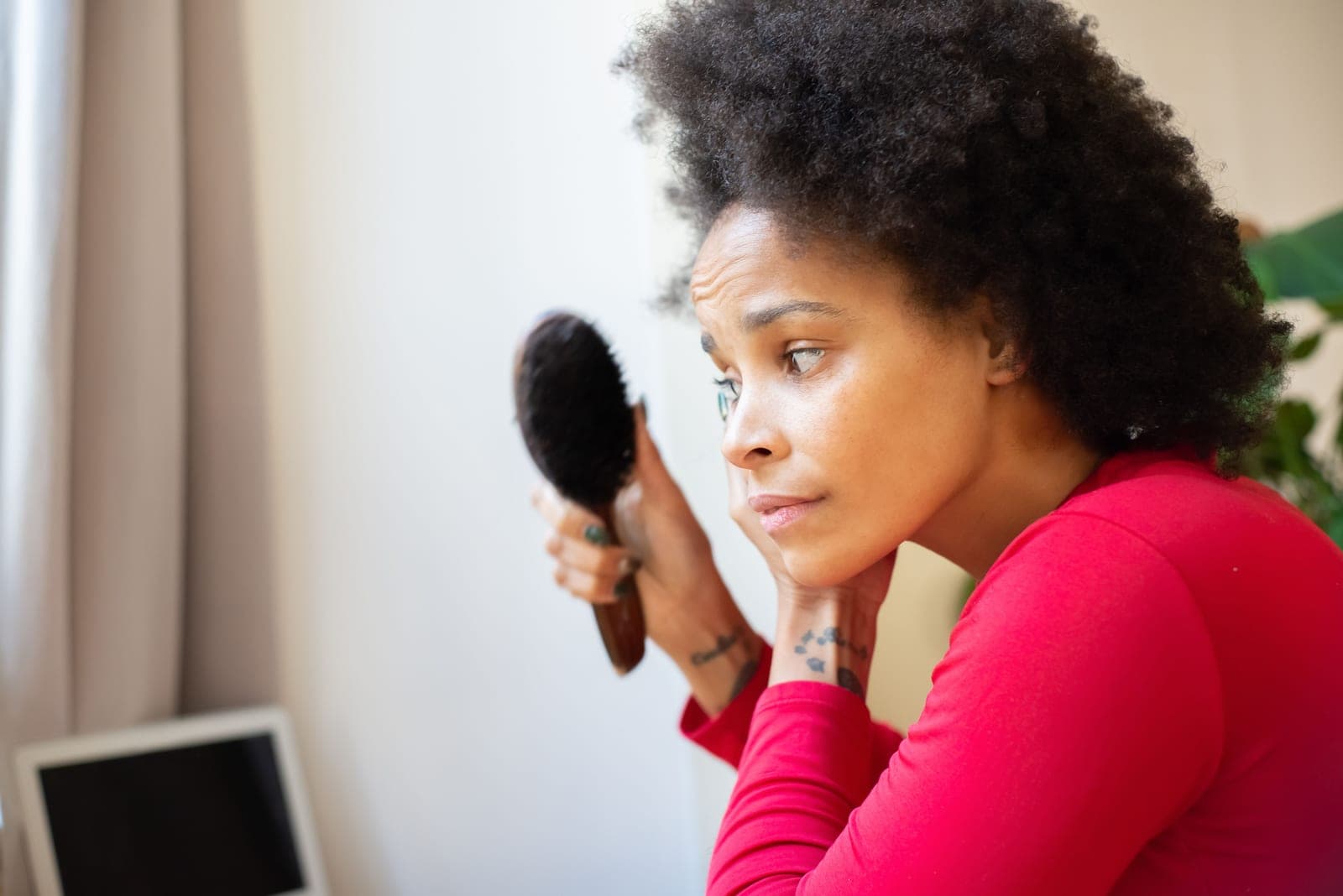
On coily hair the tension question matters more than the heat question, and most of this category is designed for hair that does not bend.
How this page is funded: the buy links below are affiliate links, and Heat Index earns a commission on qualifying purchases at no cost to you. Nothing on this page was supplied by a manufacturer, and commission plays no part in the ranking — read the full disclosure. Picks are chosen from published specifications, not from hands-on testing; the method is written down so you can check it. Prices last verified October 23, 2026.
Most blow-dry brushes are designed around an assumption that does not hold here: that the hair will pass through the bristles without resisting. A 4C strand changes direction many times per inch, and each of those bends is both a structural weak point and something for a bristle to catch on.
So this ranking weighs mechanical stress at least as heavily as heat, which reorders the category. Two of the four picks are not conventional one-step brushes at all.
Quick picks
Ranked, with the reasoning underneath. Tap any row to jump to that write-up; tap the price to check it on Amazon. Prices come from the live layer, never from this page.
| # | Product | Best for | Type | Price |
|---|---|---|---|---|
| 1 | 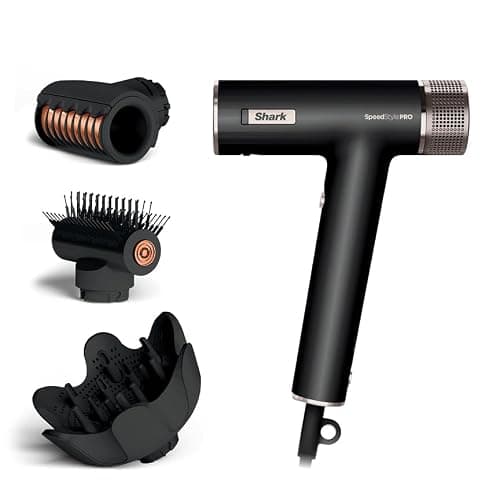 Shark SpeedStyle Pro Ionic Dryer (HD732)The rare dryer that publishes the numbers that matter: every heat setting in degrees, plus a ceiling it says it never exceeds at 230F, which is below every damage threshold in the literature. Shark SpeedStyle Pro Ionic Dryer (HD732)The rare dryer that publishes the numbers that matter: every heat setting in degrees, plus a ceiling it says it never exceeds at 230F, which is below every damage threshold in the literature. | A published temperature ceiling you can actually check | High-velocity dryer | |
| 2 | 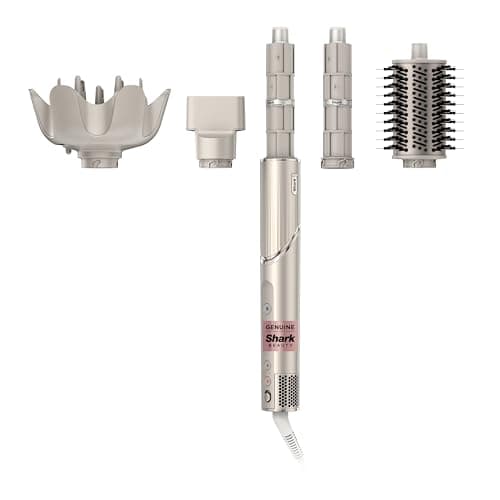 Shark FlexStyle Air Styling & Drying System (HD435)The one multi-styler whose published temperature ceiling is low enough to justify the price on hair that is already fragile, and it converts to a straight dryer in a twist. Shark FlexStyle Air Styling & Drying System (HD435)The one multi-styler whose published temperature ceiling is low enough to justify the price on hair that is already fragile, and it converts to a straight dryer in a twist. | One tool that dries and styles, on curly or coily hair | Multi-styler + dryer | |
| 3 | 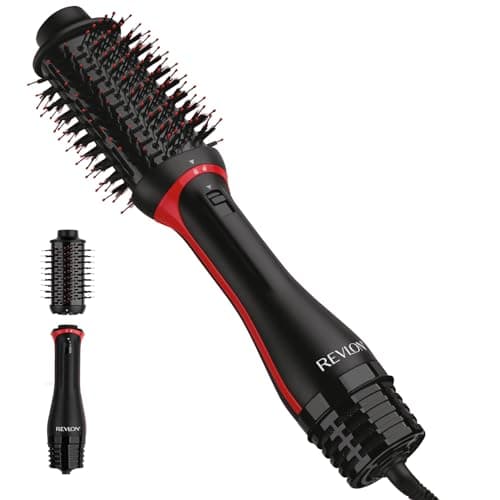 Revlon One-Step Volumizer PLUS 2.0A 2.4-inch oval barrel at 1,100W and 15 ounces: the tool that made at-home blowouts a normal thing, in its most refined version. Revlon One-Step Volumizer PLUS 2.0A 2.4-inch oval barrel at 1,100W and 15 ounces: the tool that made at-home blowouts a normal thing, in its most refined version. | A first blow-dry brush that does not need technique | One-step dryer brush | |
| 4 | 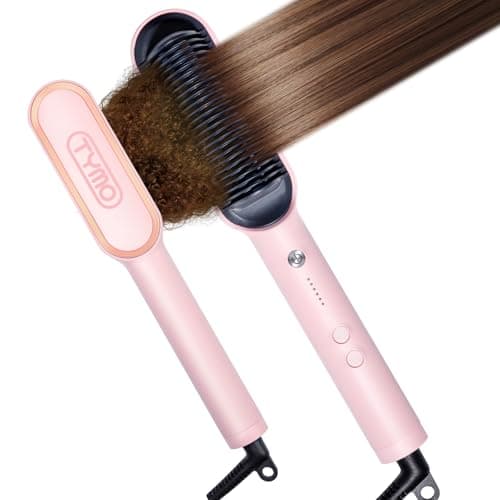 TYMO Ring Hair Straightener BrushFive published temperatures from 266F to 410F, each labeled for a hair type, on a tool that smooths rather than clamps. That last part is the whole point. TYMO Ring Hair Straightener BrushFive published temperatures from 266F to 410F, each labeled for a hair type, on a tool that smooths rather than clamps. That last part is the whole point. | Smoothing thick hair without pressing it flat | Straightening brush |
#1 · A published temperature ceiling you can actually check
Shark SpeedStyle Pro Ionic Dryer (HD732)
The rare dryer that publishes the numbers that matter: every heat setting in degrees, plus a ceiling it says it never exceeds at 230F, which is below every damage threshold in the literature.
| Heat settings | Three published settings — low 65C, medium 80C, high 100C — plus a cool shot and a permanent cool modesource |
|---|---|
| Temperature ceiling | Measures and regulates temperature 1,000 times a second, never exceeding 230F, and never approaching 302Fsource |
| Power | 1,600 watts at 120 voltssource |
| Weight | 1.674 lbsource |
| Noise | About 83 decibelssource |
| Cord | Approximately 8 ftsource |
| Scalp Shield mode | Reduces air temperature to a level Shark states is optimized for scalp comfort and root drying, developed with dermatologistssource |
| Attachments | Three accessories per dryer, chosen from the DefrizzFast diffuser, QuickSmooth brush, Express Touchup brush, Lift & Stretch wide-tooth comb, Turbo concentrator and FrizzFighter finishing toolsource |
What those numbers mean
A stated ceiling of 230F is the single most useful specification on any dryer, and almost nobody publishes one. It puts the airflow well under the 302F figure Shark itself names as the damage line and far under the cuticle-degradation range in the research.
Shark also names each setting in degrees — 65C, 80C and 100C — which is disclosure the rest of the category mostly refuses. It means you can pick a setting against a damage threshold rather than against an unlabeled dial, and note that even the top setting lands under that 230F ceiling.
The accessory list is a choice rather than a fixed bundle, which matters more than it sounds. The DefrizzFast diffuser is the attachment that earns this dryer its place on curly and coily pages, so check it is one of the three in the configuration you buy.
What it does well
- Publishes a temperature ceiling AND every heat setting in degrees
- Published wattage, weight, cord length and even a decibel figure
- Regulates 1,000 times a second, the same control loop as the FlexStyle
- Scalp Shield mode is aimed squarely at root drying on fragile new growth
What it does not
- Shark publishes no airflow figure, so drying speed cannot be checked on paper
- 1,600W is less power than an 1,875W AC dryer, and the low ceiling compounds that
- Three accessories is a choice, so the diffuser is not guaranteed to be in the box
- The retail listing says 1,750W where Shark's own support article says 1,600W
Skip this one if: Skip it if you want maximum heat for a fast, poker-straight blowout on coarse hair. The ceiling that protects fragile hair is the same ceiling that will frustrate you here.
#ad · how this is funded · price as of October 23, 2026
#2 · One tool that dries and styles, on curly or coily hair
Shark FlexStyle Air Styling & Drying System (HD435)
The one multi-styler whose published temperature ceiling is low enough to justify the price on hair that is already fragile, and it converts to a straight dryer in a twist.
| Power | 1,300Wsource |
|---|---|
| Settings | 4 heat and 3 airflow settings, plus a cool shotsource |
| Heat regulation | Measures and regulates temperature 1,000 times per secondsource |
| Weight | Just over 1.5 lbsource |
| In the box (HD435) | Curl-defining diffuser, oval brush, Coanda curlers, styling concentratorsource |
What those numbers mean
One thousand temperature readings per second is not marketing garnish. A dryer that samples that often can hold a target instead of overshooting it, which is the difference between a stated setting and an actual one.
The convertible design is the practical argument. The same barrel that dries your hair rotates to become a styler, so a single purchase covers the drying step and the shaping step rather than two tools that both need storage.
1,300W is below the 1,875W most American dryers advertise. On thick hair that means a longer dry; on curly or coily hair it means the airflow is not shaking the pattern apart while it works.
What it does well
- Published heat regulation at 1,000 readings per second, the tightest figure any brand publishes at this price
- Converts between dryer and styler without swapping tools
- Diffuser and curl attachments come in the box on the HD435 rather than as extras
- Light enough at just over 1.5 lb to hold through a full blowout
What it does not
- 1,300W is genuinely less power than an 1,875W AC dryer, and thick hair will feel it
- The attachment set is bulky to store
- Costs several times what a competent 1,875W dryer costs
Skip this one if: Skip it if what you actually need is a fast dryer for thick hair and nothing else. A 1,875W AC dryer will dry the same head sooner and cost a fraction as much; the FlexStyle price buys styling versatility, not drying speed.
#3 · A first blow-dry brush that does not need technique
Revlon One-Step Volumizer PLUS 2.0
A 2.4-inch oval barrel at 1,100W and 15 ounces: the tool that made at-home blowouts a normal thing, in its most refined version.
| Power | 1,100W motorsource |
|---|---|
| Barrel | 2.4-inch oval barrelsource |
| Settings | Four settings — low, medium, high and coolsource |
| Barrel materials | Ceramic, titanium and tourmaline, with ionic technologysource |
| Weight | 15 ozsource |
What those numbers mean
An oval barrel is doing something a round brush cannot: the flat faces smooth while the curved ends bend the end of the section. That is why one pass produces both smoothness and a bit of shape.
1,100W is modest next to a standalone dryer, and it should be. This tool is in contact with your hair rather than held six inches away, so the same wattage delivers far more heat to the strand.
Fifteen ounces is the specification that decides whether you finish. A brush you hold at head height for twenty minutes is an endurance event if it is heavy.
What it does well
- Combines the dryer and the round brush, which removes the two-handed coordination problem
- Oval barrel smooths and shapes in one pass
- A genuine cool setting for setting the style
- 15 oz, light enough for a long session
What it does not
- Revlon does not publish an actual temperature for any setting
- A one-step brush cannot match a separate dryer and round brush for control
- 2.4 inches is too large for short hair or a fringe
Skip this one if: Skip it if your hair is soaking wet and very thick. These brushes are designed for hair towel-dried to roughly 80 percent, and starting from wet is where people conclude they are underpowered.
#4 · Smoothing thick hair without pressing it flat
TYMO Ring Hair Straightener Brush
Five published temperatures from 266F to 410F, each labeled for a hair type, on a tool that smooths rather than clamps. That last part is the whole point.
| Temperature settings | 5 settings — 266F, 302F, 338F, 374F and 410F, labeled by hair type on the toolsource |
|---|---|
| Coating | Keratin-infused ceramicsource |
| Heating surface | 25 ceramic heating plates, 3D heating teethsource |
| Heat-up | 20 secondssource |
| Voltage | Dual voltagesource |
| Safety | Anti-scald protection, 30-minute auto shut-offsource |
| Cord | 360-degree swivel cordsource |
What those numbers mean
A brush cannot press hair between two plates, so it cannot deliver a poker-straight finish. What it does instead is smooth the cuticle with much less mechanical stress, which is why it suits hair that breaks under a clamp.
Publishing all five temperatures with a hair type attached to each is unusually honest labeling. It means the tool is telling you not to use 410F on fine hair rather than leaving you to guess.
Twenty seconds to heat is faster than any iron here, and on a weekday that is the difference between using it and not.
What it does well
- All five temperatures published and labeled by hair type
- Far less mechanical stress than a clamping iron
- 20-second heat-up
- Anti-scald protection and a 30-minute auto shut-off
What it does not
- Cannot produce a fully straight, pressed finish
- The bristles need care around the scalp even with anti-scald
- 410F top setting is above the thresholds in the research
Skip this one if: Skip it if you want a sleek, glass-straight result or a silk press. A brush smooths; it does not press, and no setting on it will change that.
Why the SpeedStyle leads with a brush attachment
The Shark SpeedStyle is a dryer that ships with a QuickSmooth brush attachment and a DeFrizzFast diffuser, and it is first here because of one published figure: Shark states it never exceeds 230F and never approaches 302F, regulating a thousand times a second.
On a texture where damage shows up at the bends before it shows anywhere else, a stated ceiling is worth more than a slightly better brush head. Nothing else in this category publishes one.
The comb-attachment question, again
Blowout combs and pik attachments stretch coily hair mechanically while it dries, and they work. They also apply real tension directly against the bends, on a fiber that is wet and at its weakest. We are not going to tell you not to use one — plenty of people use them without problems. What we will say is that if you are seeing breakage, that attachment is the first variable to change, not the last.
The brush attachments here apply less concentrated tension than a comb does, which is the main reason they are on this list.
Stretching versus pressing
| Method | Result | What it costs |
|---|---|---|
| Tension dry with a concentrator | Stretched, texture retained | Lowest heat, most arm work |
| Blow-dry brush | Smooth and stretched, not pressed | Contact heat, moderate tension |
| Straightening brush on dry hair | Smoother still, still not pressed | Higher heat, low mechanical stress |
| Flat iron / silk press | Fully pressed and sleek | Highest heat, highest risk |
The TYMO straightening brush is on this list as the fourth row's alternative to the fifth. It works on already-dry hair, publishes all five of its temperatures with hair types attached, and applies far less mechanical stress than a clamping iron. For a week when stretched-and-smooth is enough, it skips the 400F pass entirely.
If you are going all the way to a press
Flat irons for 4C hair and silk press covers the iron stage, and dryers for 4C hair covers tension drying, which is the stage that determines how much the iron has to do. The 4C router collects everything.
Questions people actually ask
Can you use a blow-dry brush on 4C hair?
Yes, and it applies less concentrated tension than a comb attachment does. The main considerations are bristle type — nylon rather than boar, because boar catches at the bends where coily hair is weakest — and heat, where the Shark SpeedStyle is the only tool in this roundup publishing an actual ceiling at 230F.
Is a blow-dry brush or a comb attachment better for stretching coily hair?
A comb attachment stretches more aggressively and is faster. It also applies tension directly against the bends in the strand while the hair is wet and at its weakest. If you are not seeing breakage, either works. If you are, switching from a comb attachment to a brush or to hand tension drying is the first change worth making.
What temperature should I use on 4C hair with a brush?
The lowest that stretches the section, and let tension do the rest. Published research reports cuticle degradation from around 302F, and the Shark SpeedStyle states it never exceeds 230F on any setting — which takes the question off the table entirely. On tools without published figures, start low and only raise it if tension alone is not holding the stretch.
Will a blow-dry brush give me a silk press?
No. A silk press requires the hair to be pressed between two plates, and nothing on this page does that — a brush smooths and stretches. If a press is the goal, the brush is the stage before the iron rather than a replacement for it, and doing the stretching stage properly is what lets the iron finish in one pass.
Sources
Every figure on this page traces to one of these. If a number here disagrees with the manufacturer, the manufacturer is right and we want to know — tell us.
- Shark SpeedStyle Pro ionic dryer, curly and coily (HD732) — product listing
- Shark FlexStyle air multi-styler and drying system (HD435) product listing
- Revlon One-Step Volumizer PLUS
- TYMO Ring hair straightener brush
- Thermal-induced changes in cuticle and cortex of chemically treated hair, PubMed Central
Read next
Best Overall
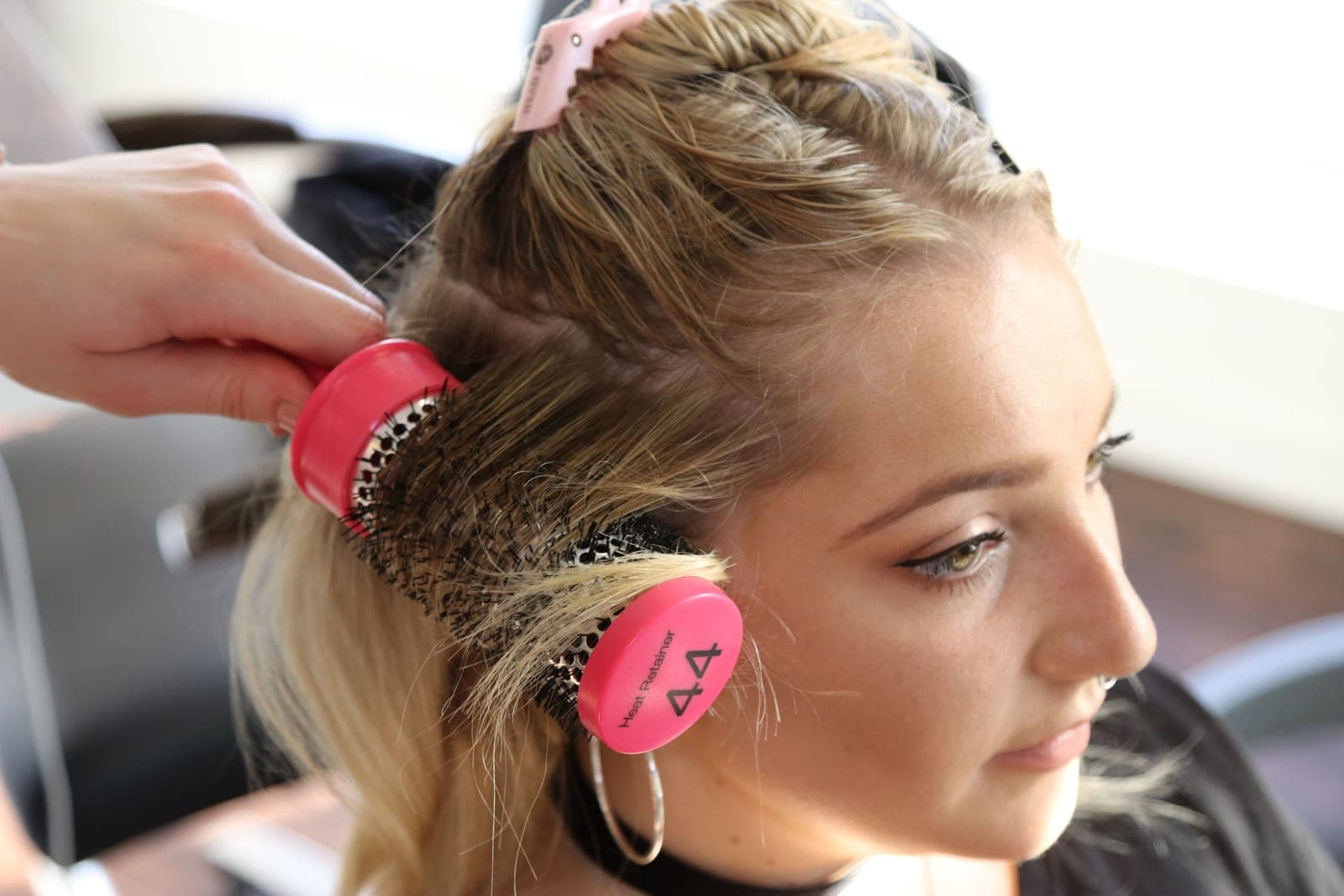
The Best Blow-Dry Brushes
Six blow-dry and hot-air brushes ranked on barrel diameter, bristle design and published temperature, from budget to multi-styler.
Top pick: Revlon One-Step Volumizer PLUS 2.0
4C Hair Guide
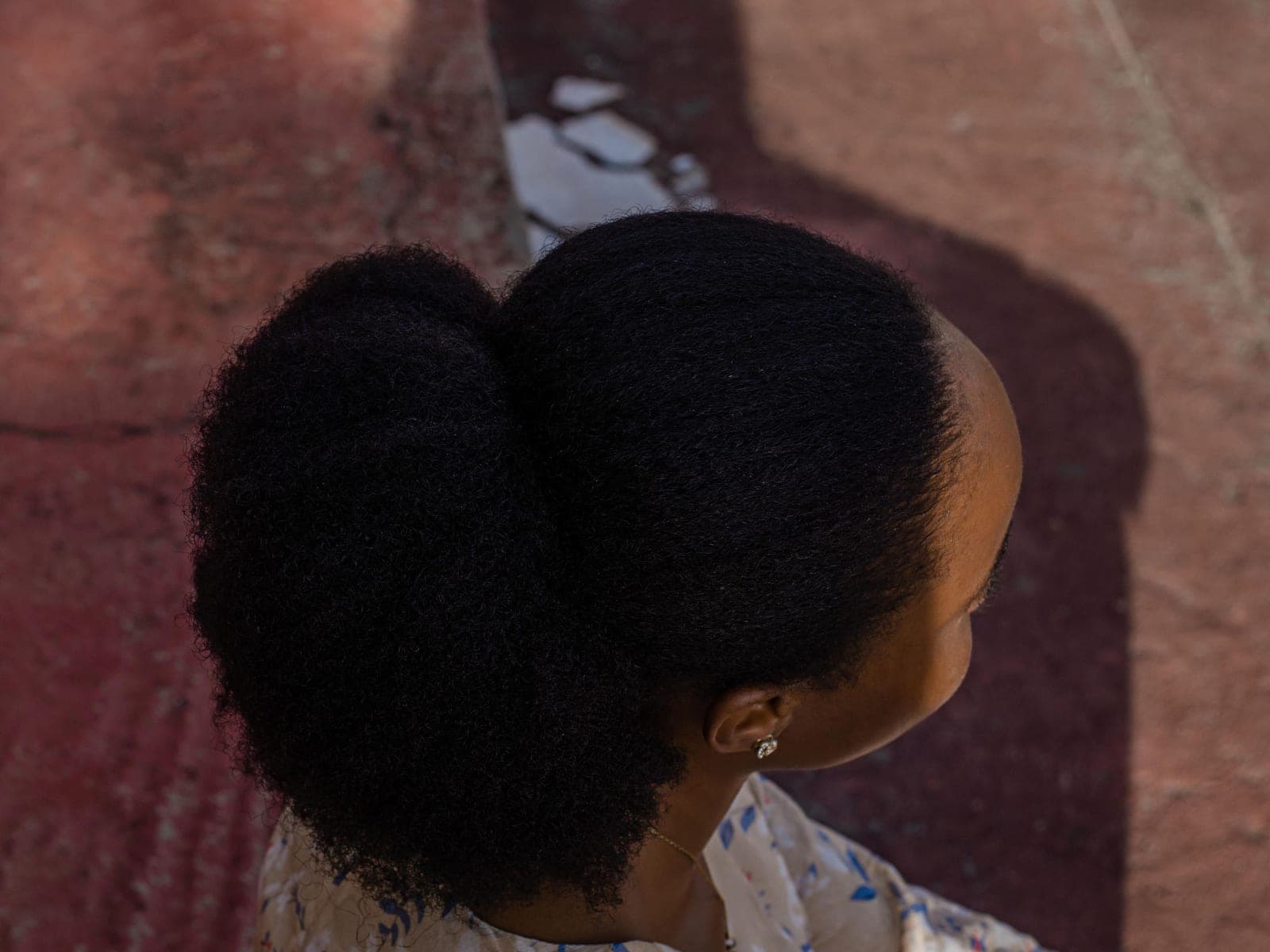
Hair Styling Tools for 4C and Coily Hair
Every tool we recommend for 4C and coily hair, with the tension-drying and silk-press rules the specs actually support.
Top pick: Shark SpeedStyle Pro Ionic Dryer (HD732)
Best for 4C Hair
The Best Hair Dryers for 4C and Coily Hair
Four dryers for 4C and coily hair, ranked on published temperature ceilings and the attachments tension drying actually needs.
Top pick: Shark SpeedStyle Pro Ionic Dryer (HD732)
Best for Silk Press
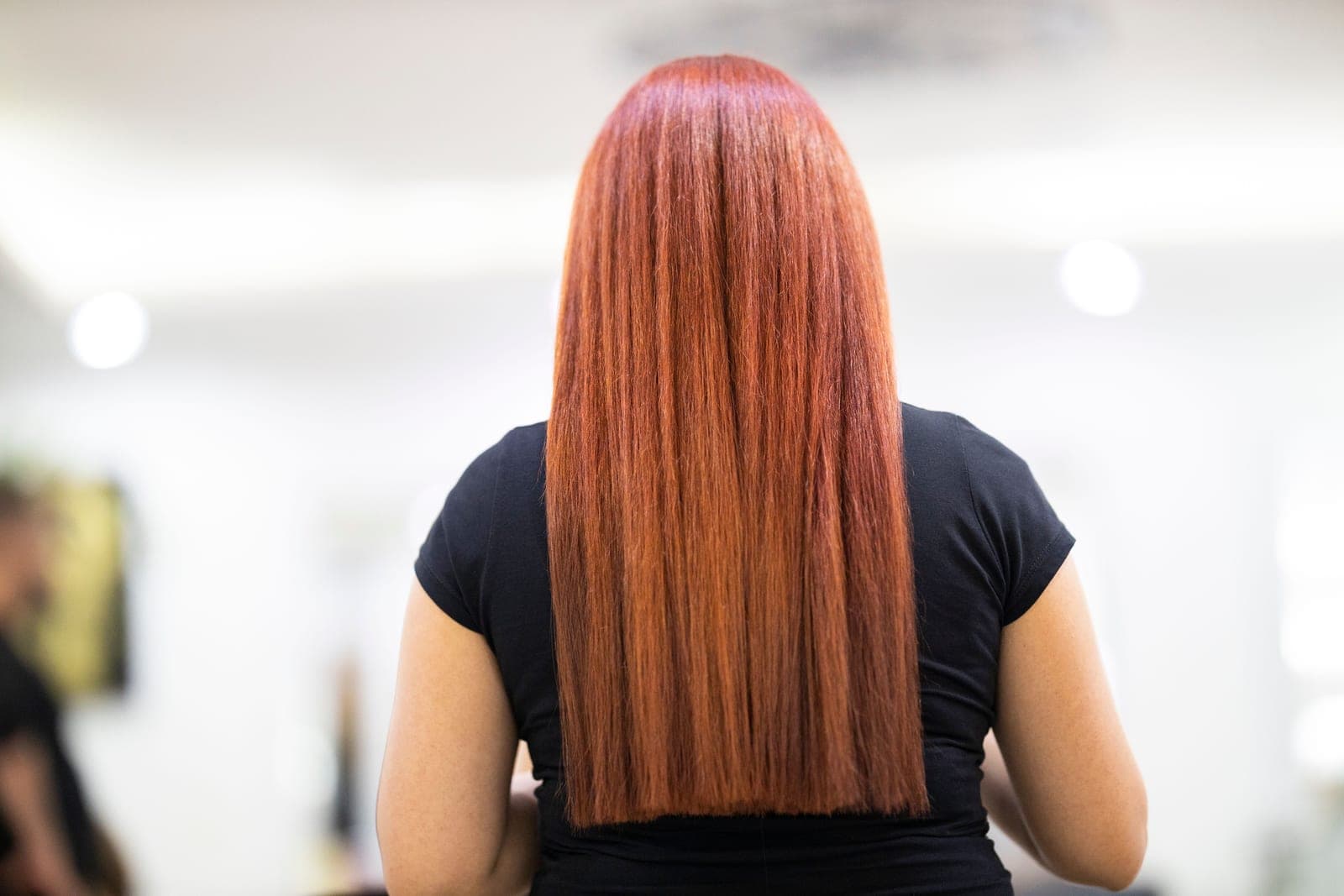
The Best Flat Irons for 4C Hair and Silk Press
Five flat irons for 4C hair and silk pressing, ranked on heat recovery, plate length and control — with a straight answer on temperature.
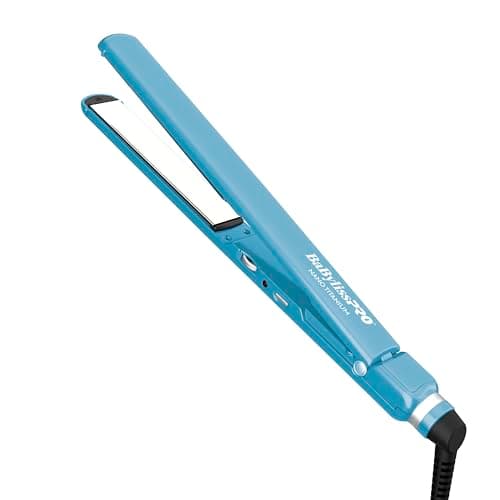
Top pick: BaBylissPRO Nano Titanium 1-inch Ultra-Thin Straightener
Best Brush
The Best Straightening Brushes
Four straightening and smoothing brushes ranked on published temperature and bristle design, with an honest account of the finish they cannot produce.
Top pick: TYMO Ring Hair Straightener Brush