Hair Styling Tools, Sorted by Hair Type
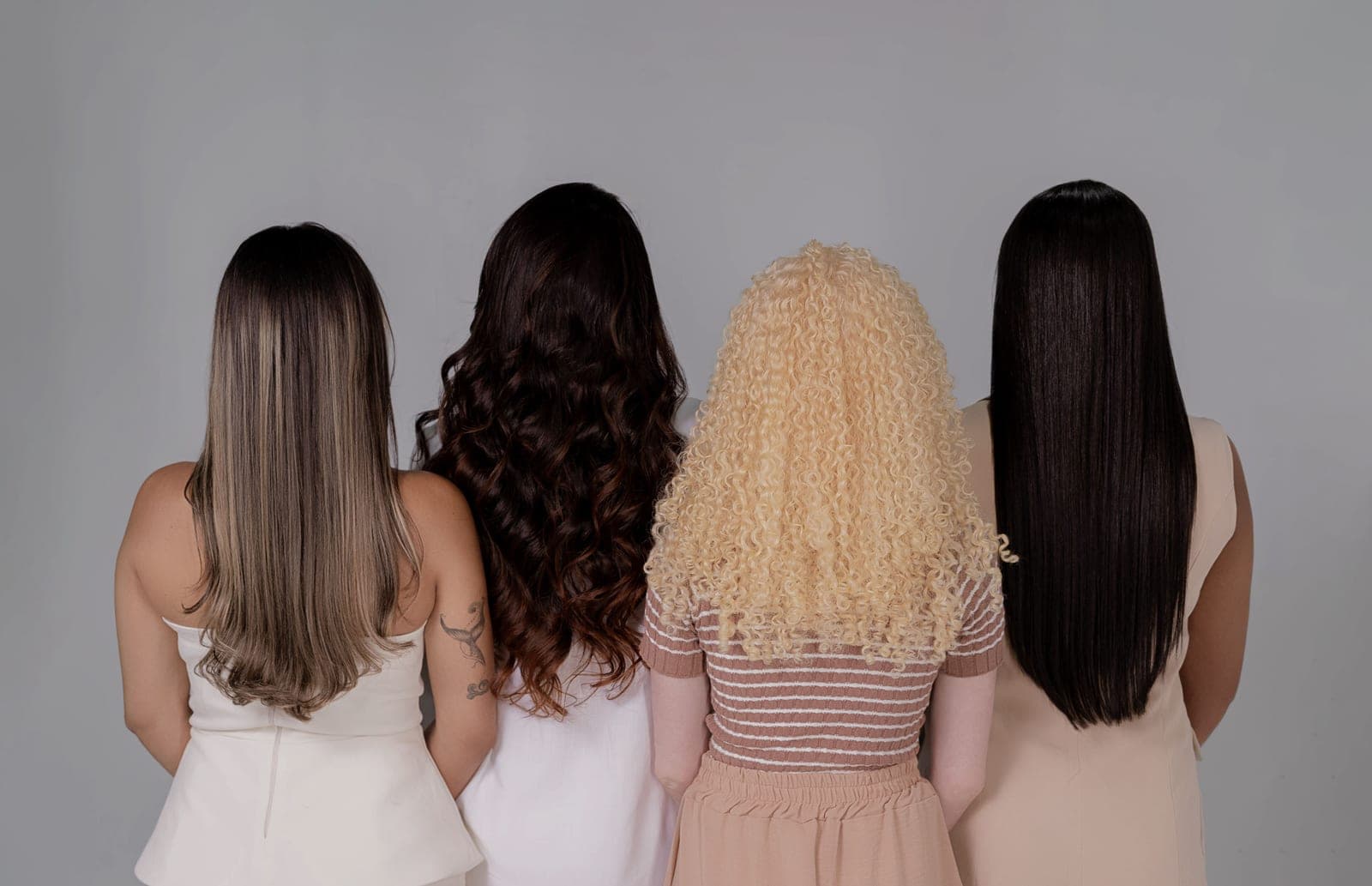
Every review site sorts by product. Almost nobody sorts by the thing you actually know about yourself, which is what your hair is like.
How this page is funded: the buy links below are affiliate links, and Heat Index earns a commission on qualifying purchases at no cost to you. Nothing on this page was supplied by a manufacturer, and commission plays no part in the ranking — read the full disclosure. Picks are chosen from published specifications, not from hands-on testing; the method is written down so you can check it. Prices last verified October 23, 2026.
Nine of the biggest hair tool roundups on the web were read closely while this site was being planned. Every single one of them is organized by product category, and hair type appears — if at all — as a heading buried inside a roundup.
That is backwards. You do not walk into a shop knowing you need a 1,875W AC-motor dryer. You walk in knowing your hair is fine and goes flat, or thick and takes forty minutes to dry, or bleached and breaking. This section starts from that.
The six types, and what each one actually needs
| Hair type | The specification that matters | The thing to avoid |
|---|---|---|
| Fine and thin | A published low temperature and a light tool | Unlabeled maximums; irons that start at 300F |
| Curly | A real diffuser and a genuinely low fan speed | Concentrators, high speed, over-drying |
| Thick and coarse | Power, plate length, heat recovery | Underpowered tools that turn into long sessions |
| 4C and coily | A published heat ceiling and low mechanical stress | Aggressive comb attachments on wet hair |
| Wavy | Versatility — the type that goes either way | Committing to one finish and one tool |
| Damaged and color-treated | Published temperatures, held precisely | Anything that only advertises a maximum |
Quick picks
Ranked, with the reasoning underneath. Tap any row to jump to that write-up; tap the price to check it on Amazon. Prices come from the live layer, never from this page.
| # | Product | Best for | Type | Price |
|---|---|---|---|---|
| 1 | 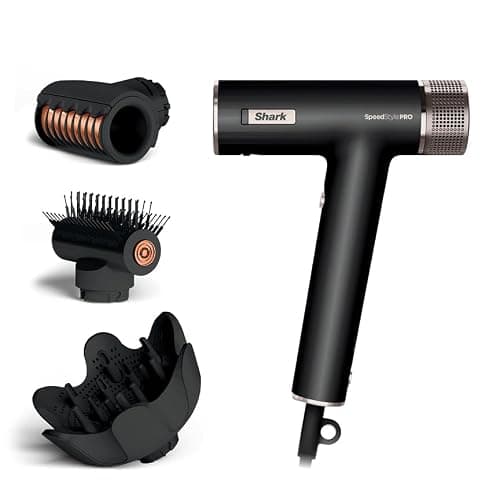 Shark SpeedStyle Pro Ionic Dryer (HD732)The rare dryer that publishes the numbers that matter: every heat setting in degrees, plus a ceiling it says it never exceeds at 230F, which is below every damage threshold in the literature. Shark SpeedStyle Pro Ionic Dryer (HD732)The rare dryer that publishes the numbers that matter: every heat setting in degrees, plus a ceiling it says it never exceeds at 230F, which is below every damage threshold in the literature. | A published temperature ceiling you can actually check | High-velocity dryer | |
| 2 | 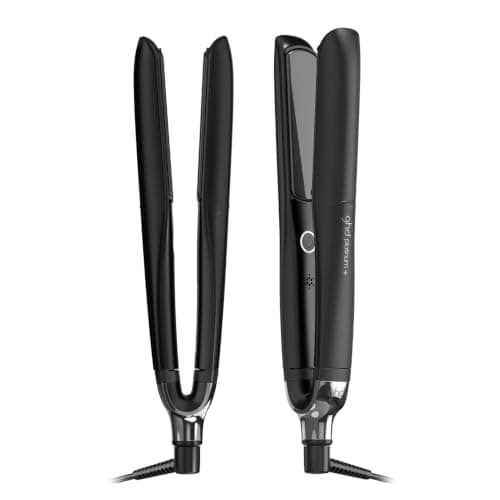 ghd platinum+ StylerOne temperature, 365F, held by a sensor system reading 250 times a second. It is the opposite design philosophy to a 450F iron and it is the better one. ghd platinum+ StylerOne temperature, 365F, held by a sensor system reading 250 times a second. It is the opposite design philosophy to a 450F iron and it is the better one. | A single temperature chosen for hair health, not marketing | Predictive-heat iron | |
| 3 | 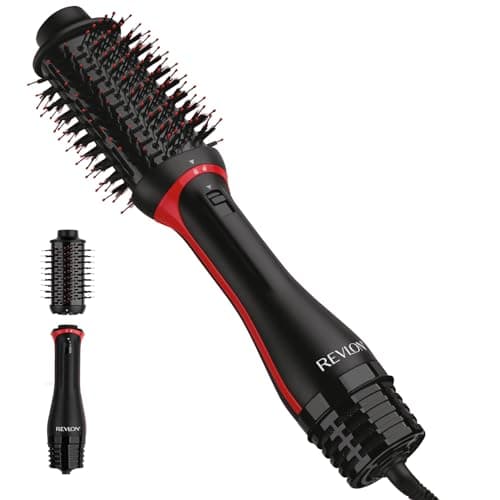 Revlon One-Step Volumizer PLUS 2.0A 2.4-inch oval barrel at 1,100W and 15 ounces: the tool that made at-home blowouts a normal thing, in its most refined version. Revlon One-Step Volumizer PLUS 2.0A 2.4-inch oval barrel at 1,100W and 15 ounces: the tool that made at-home blowouts a normal thing, in its most refined version. | A first blow-dry brush that does not need technique | One-step dryer brush | |
| 4 | 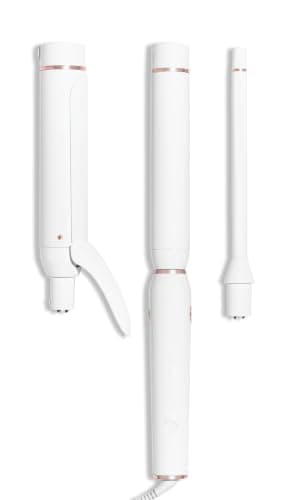 T3 Switch Kit Curl TrioOne handle and three barrels — half-inch and 1.25-inch wands plus a 1.5-inch clip barrel — with nine temperature settings, which covers the whole curl vocabulary in one purchase. T3 Switch Kit Curl TrioOne handle and three barrels — half-inch and 1.25-inch wands plus a 1.5-inch clip barrel — with nine temperature settings, which covers the whole curl vocabulary in one purchase. | Three curl shapes from one handle | Interchangeable barrel set |
#1 · A published temperature ceiling you can actually check
Shark SpeedStyle Pro Ionic Dryer (HD732)
The rare dryer that publishes the numbers that matter: every heat setting in degrees, plus a ceiling it says it never exceeds at 230F, which is below every damage threshold in the literature.
| Heat settings | Three published settings — low 65C, medium 80C, high 100C — plus a cool shot and a permanent cool modesource |
|---|---|
| Temperature ceiling | Measures and regulates temperature 1,000 times a second, never exceeding 230F, and never approaching 302Fsource |
| Power | 1,600 watts at 120 voltssource |
| Weight | 1.674 lbsource |
| Noise | About 83 decibelssource |
| Cord | Approximately 8 ftsource |
| Scalp Shield mode | Reduces air temperature to a level Shark states is optimized for scalp comfort and root drying, developed with dermatologistssource |
| Attachments | Three accessories per dryer, chosen from the DefrizzFast diffuser, QuickSmooth brush, Express Touchup brush, Lift & Stretch wide-tooth comb, Turbo concentrator and FrizzFighter finishing toolsource |
What those numbers mean
A stated ceiling of 230F is the single most useful specification on any dryer, and almost nobody publishes one. It puts the airflow well under the 302F figure Shark itself names as the damage line and far under the cuticle-degradation range in the research.
Shark also names each setting in degrees — 65C, 80C and 100C — which is disclosure the rest of the category mostly refuses. It means you can pick a setting against a damage threshold rather than against an unlabeled dial, and note that even the top setting lands under that 230F ceiling.
The accessory list is a choice rather than a fixed bundle, which matters more than it sounds. The DefrizzFast diffuser is the attachment that earns this dryer its place on curly and coily pages, so check it is one of the three in the configuration you buy.
What it does well
- Publishes a temperature ceiling AND every heat setting in degrees
- Published wattage, weight, cord length and even a decibel figure
- Regulates 1,000 times a second, the same control loop as the FlexStyle
- Scalp Shield mode is aimed squarely at root drying on fragile new growth
What it does not
- Shark publishes no airflow figure, so drying speed cannot be checked on paper
- 1,600W is less power than an 1,875W AC dryer, and the low ceiling compounds that
- Three accessories is a choice, so the diffuser is not guaranteed to be in the box
- The retail listing says 1,750W where Shark's own support article says 1,600W
Skip this one if: Skip it if you want maximum heat for a fast, poker-straight blowout on coarse hair. The ceiling that protects fragile hair is the same ceiling that will frustrate you here.
#ad · how this is funded · price as of October 23, 2026
#2 · A single temperature chosen for hair health, not marketing
ghd platinum+ Styler
One temperature, 365F, held by a sensor system reading 250 times a second. It is the opposite design philosophy to a 450F iron and it is the better one.
| Temperature | Optimized constant 365F across the platessource |
|---|---|
| Heat regulation | Ultra-zone predictive technology monitors heat 250 times a secondsource |
| Adaptation | Recognizes hair thickness and speed of styling and adjusts accordinglysource |
| Plates | Precision-milled ceramic plates with a wishbone hinge and round barrelsource |
| Auto shut-off | After 30 minutessource |
| Voltage | Universal voltagesource |
What those numbers mean
365F as a fixed target is a deliberate rejection of the specification race. It sits under every temperature the thermal-damage literature associates with cortex damage, and the tool simply will not let you go higher.
The interesting part is the 250-readings-per-second control loop. A conventional iron cools when cold hair hits it and then overshoots on the way back; a fast loop holds the number, which is why one pass at 365F can beat two at 400F.
ghd publishes percentage claims about stronger hair, more shine and color protection. Those are the manufacturer's own claims from their own testing, and we are not in a position to verify them, so treat them as positioning rather than data.
What it does well
- One well-chosen temperature, under every threshold in the cited research
- 250 temperature readings per second, the fastest control loop published here
- Rounded barrel makes curls and waves possible with the same tool
- Universal voltage and a 30-minute auto shut-off
What it does not
- No adjustment at all, so very coarse hair may need more passes
- Premium price for a single-temperature tool
- The percentage benefit claims are the manufacturer's own and unverifiable from outside
Skip this one if: Skip it if you have dense, coarse or 4C hair and want a silk-press result in one pass. 365F is a health-first ceiling, and on that hair type it will mean revisiting sections.
#ad · how this is funded · price as of October 23, 2026
#3 · A first blow-dry brush that does not need technique
Revlon One-Step Volumizer PLUS 2.0
A 2.4-inch oval barrel at 1,100W and 15 ounces: the tool that made at-home blowouts a normal thing, in its most refined version.
| Power | 1,100W motorsource |
|---|---|
| Barrel | 2.4-inch oval barrelsource |
| Settings | Four settings — low, medium, high and coolsource |
| Barrel materials | Ceramic, titanium and tourmaline, with ionic technologysource |
| Weight | 15 ozsource |
What those numbers mean
An oval barrel is doing something a round brush cannot: the flat faces smooth while the curved ends bend the end of the section. That is why one pass produces both smoothness and a bit of shape.
1,100W is modest next to a standalone dryer, and it should be. This tool is in contact with your hair rather than held six inches away, so the same wattage delivers far more heat to the strand.
Fifteen ounces is the specification that decides whether you finish. A brush you hold at head height for twenty minutes is an endurance event if it is heavy.
What it does well
- Combines the dryer and the round brush, which removes the two-handed coordination problem
- Oval barrel smooths and shapes in one pass
- A genuine cool setting for setting the style
- 15 oz, light enough for a long session
What it does not
- Revlon does not publish an actual temperature for any setting
- A one-step brush cannot match a separate dryer and round brush for control
- 2.4 inches is too large for short hair or a fringe
Skip this one if: Skip it if your hair is soaking wet and very thick. These brushes are designed for hair towel-dried to roughly 80 percent, and starting from wet is where people conclude they are underpowered.
#4 · Three curl shapes from one handle
T3 Switch Kit Curl Trio
One handle and three barrels — half-inch and 1.25-inch wands plus a 1.5-inch clip barrel — with nine temperature settings, which covers the whole curl vocabulary in one purchase.
| Barrels | Half-inch wand, 1.25-inch wand, and 1.5-inch clip barrelsource |
|---|---|
| Settings | 9 temperature settings with T3 Rapid HeatIQ technologysource |
What those numbers mean
Barrel diameter is what decides curl shape, and it is not a preference so much as a physical fact: a half-inch barrel makes a tight spiral and a 1.5-inch barrel makes a loose bend. Owning three is owning three tools.
The clip barrel among two wands is a deliberate mix. Clips are easier and faster; wands give a more natural end because there is no crimp where the clamp sat.
T3 does not publish what the nine settings are in degrees, which is the same disclosure gap as their brushes.
What it does well
- Three barrel diameters covering tight spirals to loose waves
- Nine settings rather than a three-step dial
- One handle, so storage and travel are simpler than three irons
What it does not
- T3 does not publish actual temperatures for the nine settings
- Swapping barrels means handling a hot component
- Premium price for a kit where most people use one barrel
Skip this one if: Skip it if you already know the one curl you want. A single iron in the right diameter costs far less and does that job identically.
#ad · how this is funded · price as of October 23, 2026
How to work out which one you are
Two different measurements get confused with each other constantly, and knowing which is which changes what you should buy.
- Strand thickness is how thick one individual hair is. Roll a single strand between your fingers: if you can barely feel it, it is fine; if it feels wiry, it is coarse. This is what decides your temperature.
- Density is how many hairs you have. Part your hair and look at how much scalp shows. This is what decides how much power and how long the session takes.
- They are independent. Fine, dense hair is common and is the combination that confuses people most — it needs a low temperature and real airflow at the same time, which is exactly what a high-speed dryer provides.
- Curl pattern is a third axis entirely, running from straight through wavy and curly to coily. It decides attachments and technique rather than temperature.
- Porosity is a fourth: how readily the cuticle lets water in and out. If your hair takes ages to get properly wet in the shower it is low porosity; if it soaks instantly and dries fast it is high porosity, which usually means damage.
The rules that hold for everyone
A few things are true regardless of type, and they are worth stating once here rather than repeating on every page.
- Never apply an iron to wet hair. Wet keratin is reported to denature between 120C and 150C, far below dry keratin. This is the single most damaging thing you can do with a heat tool.
- Lower the heat, raise the fan speed. Air volume does most of the drying. This costs nothing and works on every dryer ever made.
- Use a heat protectant. The American Academy of Dermatology recommends one alongside low or medium settings.
- Finish with cool air. Heat makes hair moldable; cooling is what sets the shape. Skipping it is why blowouts drop and curls fall.
- Fewer passes beats lower temperature. If a section needs three passes, the section is too thick or the hair is not dry — not the temperature too low.
Or start from the tool
If you already know which category you are shopping in, the tool hubs are the other way in: hair dryers, straighteners, blow-dry brushes, curling irons and grooming devices.
Questions people actually ask
How do I know what hair type I have?
Two separate measurements matter and they get confused. Strand thickness is how thick one hair is — roll a single strand between your fingers, and if you can barely feel it, it is fine. Density is how many hairs you have — part your hair and see how much scalp shows. They are independent, and fine dense hair is a common combination that needs low heat and real airflow at once.
Can one hair dryer work for every hair type?
A dryer with a published low temperature, a real diffuser and adjustable airflow gets close, which is why tools like the Shark SpeedStyle appear on several of these pages. But a dryer optimized for drying dense hair fast and one optimized for not cooking fine bleached hair are pulling in opposite directions, and no single tool sits at both ends.
Does hair porosity change which tools I should use?
It changes the settings more than the tools. Low porosity hair resists water going in and out, so it takes longer to dry and tolerates a warmer setting. High porosity hair absorbs and releases water fast, dries quickly, and needs the lowest setting available — high porosity is often a sign of existing damage, in which case the damaged hair page applies.
Why does hair type matter more than the brand?
Because the specifications that make a tool good for one hair type make it wrong for another. Titanium plates recover heat fast, which is what coarse hair needs and what makes them unforgiving on fine hair. A 2,000W motor shortens a session on dense hair and is wasted on thin hair. The brand is downstream of that; the match is what decides whether the tool works for you.
Sources
Every figure on this page traces to one of these. If a number here disagrees with the manufacturer, the manufacturer is right and we want to know — tell us.
- Thermal denaturation and structural changes of alpha-helical proteins in keratins, Journal of Structural Biology
- Thermal-induced changes in cuticle and cortex of chemically treated hair, PubMed Central
- American Academy of Dermatology — tips for healthy hair
- Shark SpeedStyle Pro ionic dryer, curly and coily (HD732) — product listing
- ghd platinum+ styler
Read next

Fine Hair Guide
Hair Styling Tools for Fine and Thin Hair
Every dryer, flat iron, brush and curler we recommend for fine and thin hair, with the temperature rules that apply across all of them.
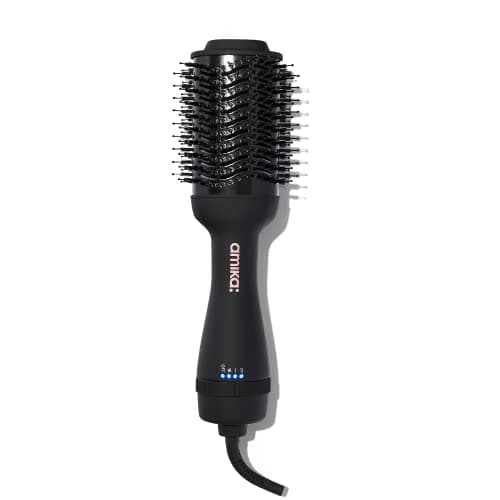
Top pick: amika Hair Blow Dryer Brush 2.0

Curly Hair Guide
Hair Styling Tools for Curly Hair
Every dryer, iron, brush and styler we recommend for curly hair, with the airflow and technique rules that apply to all of them.
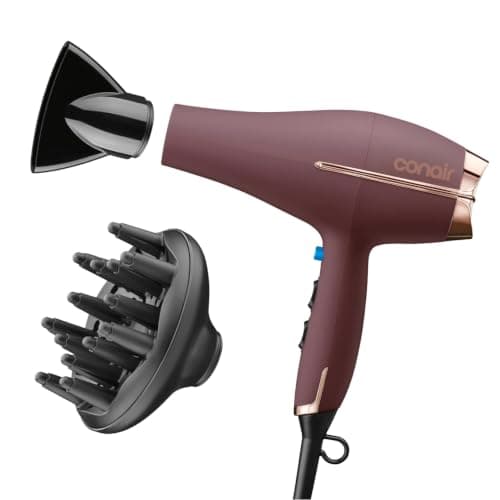
Top pick: Conair InfinitiPro 1875W Salon Performance AC Motor Dryer (259BDNRY)
Thick Hair Guide
Hair Styling Tools for Thick and Coarse Hair
Every tool we recommend for thick and coarse hair, ranked on the power and plate specs that shorten the session.
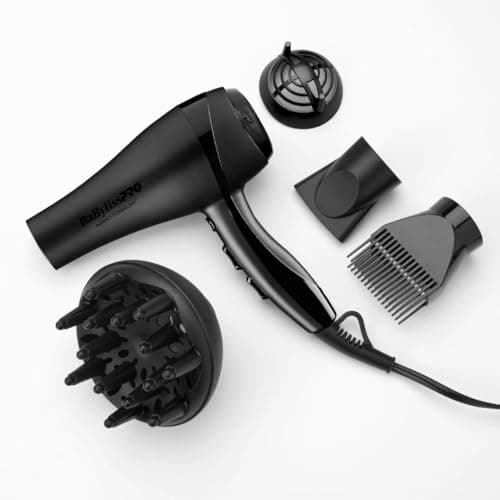
Top pick: BaBylissPRO Nano Titanium Dryer (BNT5548)
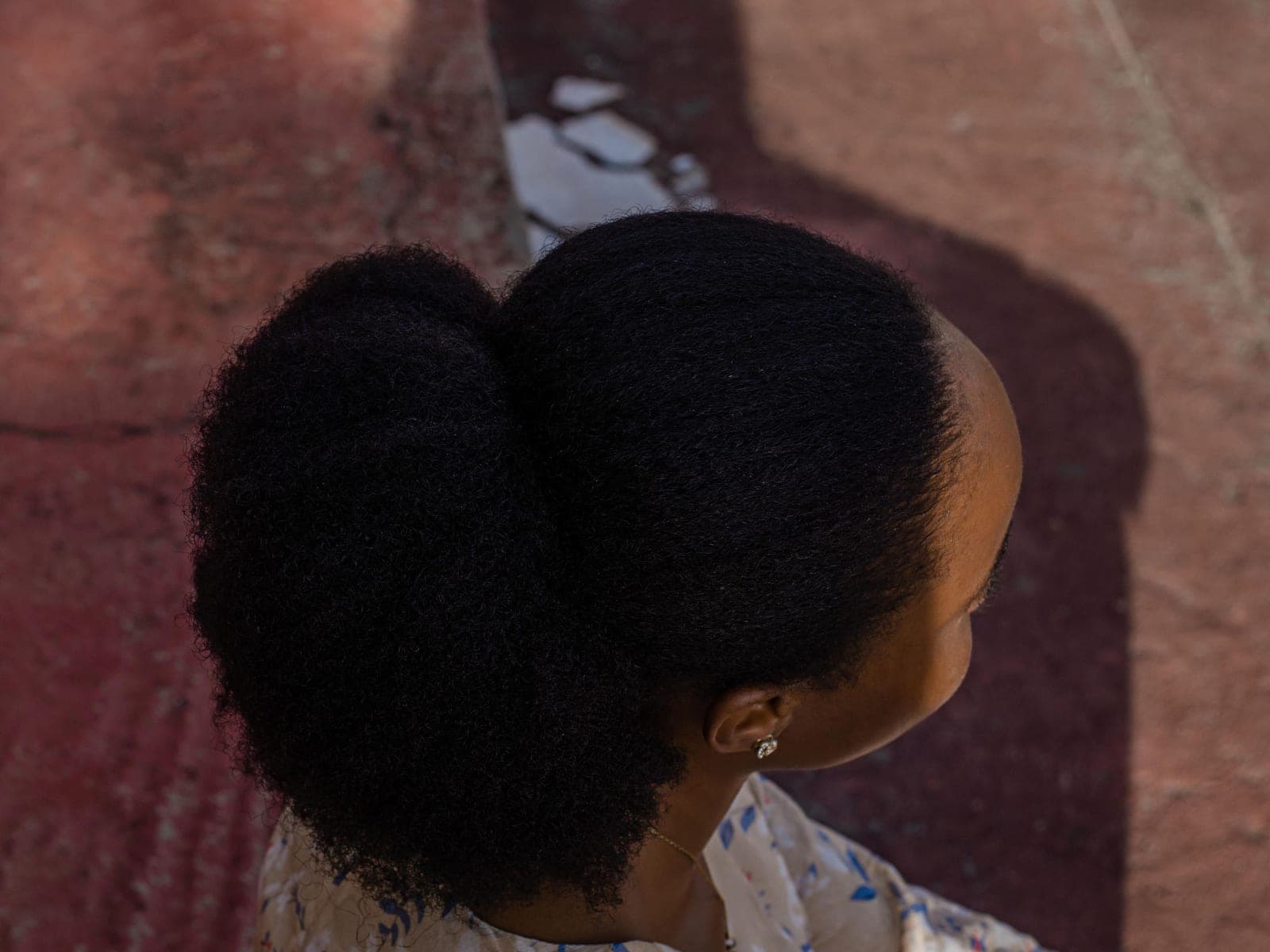
4C Hair Guide
Hair Styling Tools for 4C and Coily Hair
Every tool we recommend for 4C and coily hair, with the tension-drying and silk-press rules the specs actually support.
Top pick: Shark SpeedStyle Pro Ionic Dryer (HD732)
Damaged Hair Guide
Hair Styling Tools for Damaged and Color-Treated Hair
Every tool we recommend for damaged and bleached hair, filtered strictly on published temperature disclosure.
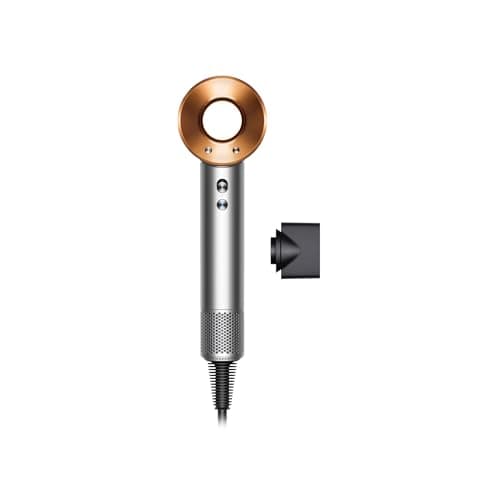
Top pick: Dyson Supersonic Origin Hair Dryer

Wavy Hair Guide
Hair Styling Tools for Wavy Hair
Every tool we recommend for wavy hair, organized around the one specification that matters here: versatility.
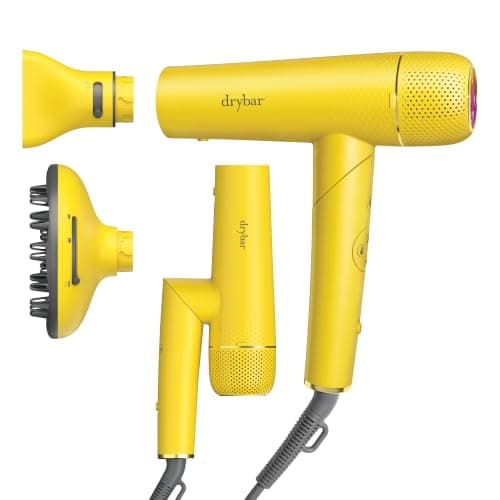
Top pick: Drybar Buttercup PRO Professional Blow-Dryer