The Best Flat Irons for Curly Hair
Curly hair straightens fine. The risk is not this straightening — it is whether the curl comes back next time you wash it.
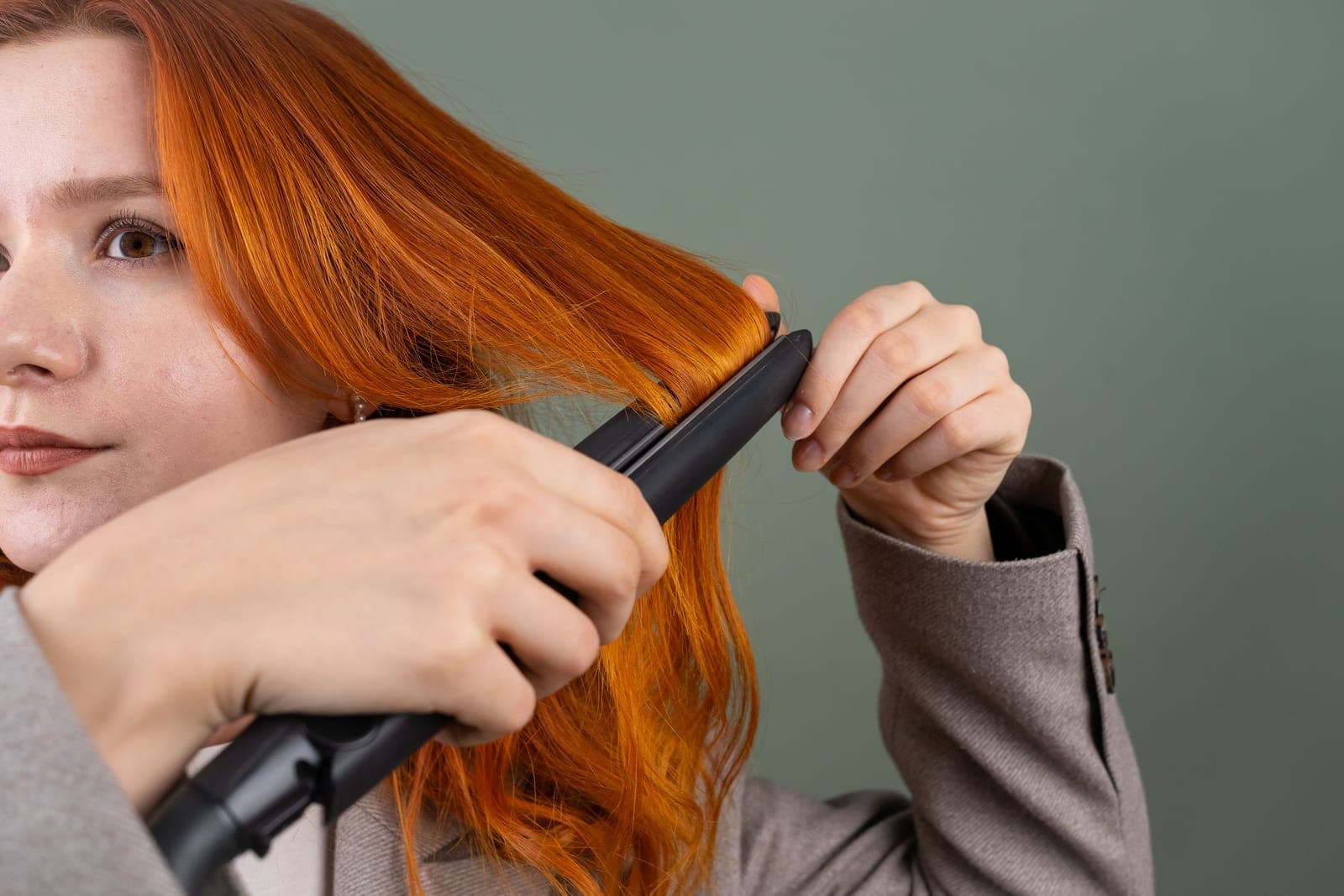
How this page is funded: the buy links below are affiliate links, and Heat Index earns a commission on qualifying purchases at no cost to you. Nothing on this page was supplied by a manufacturer, and commission plays no part in the ranking — read the full disclosure. Picks are chosen from published specifications, not from hands-on testing; the method is written down so you can check it. Prices last verified October 23, 2026.
Curl pattern comes from the shape of the follicle and from disulfide bonds inside the hair fiber. Heat styling breaks hydrogen bonds temporarily — that is why straightened hair reverts when it gets damp — but sustained high heat can damage the disulfide structure permanently. When that happens, the curl does not come back after washing.
This is what people mean by heat training, and the framing matters. It is sometimes described as a technique for loosening a pattern deliberately. Physically, it is cumulative structural damage that happens to have a desirable-sounding side effect. It is not reversible.
Quick picks
Ranked, with the reasoning underneath. Tap any row to jump to that write-up; tap the price to check it on Amazon. Prices come from the live layer, never from this page.
| # | Product | Best for | Type | Price |
|---|---|---|---|---|
| 1 | 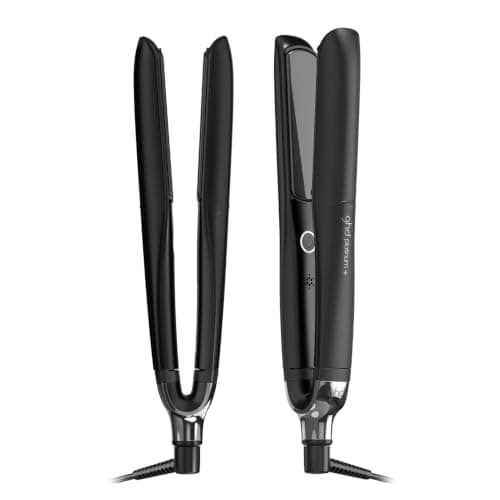 ghd platinum+ StylerOne temperature, 365F, held by a sensor system reading 250 times a second. It is the opposite design philosophy to a 450F iron and it is the better one. ghd platinum+ StylerOne temperature, 365F, held by a sensor system reading 250 times a second. It is the opposite design philosophy to a 450F iron and it is the better one. | A single temperature chosen for hair health, not marketing | Predictive-heat iron | |
| 2 | 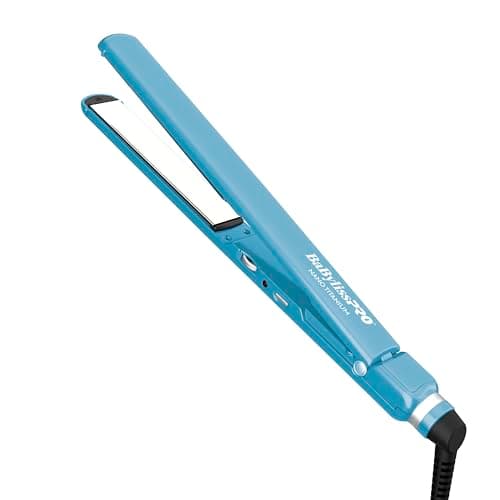 BaBylissPRO Nano Titanium 1-inch Ultra-Thin StraightenerFifty heat settings from 240F to 450F on extra-long 5-inch titanium plates — the reach coarse hair needs, and a floor low enough for fine hair if you trust yourself with the dial. BaBylissPRO Nano Titanium 1-inch Ultra-Thin StraightenerFifty heat settings from 240F to 450F on extra-long 5-inch titanium plates — the reach coarse hair needs, and a floor low enough for fine hair if you trust yourself with the dial. | Thick or coarse hair that needs one pass, not four | Titanium iron, 50 settings | |
| 3 | 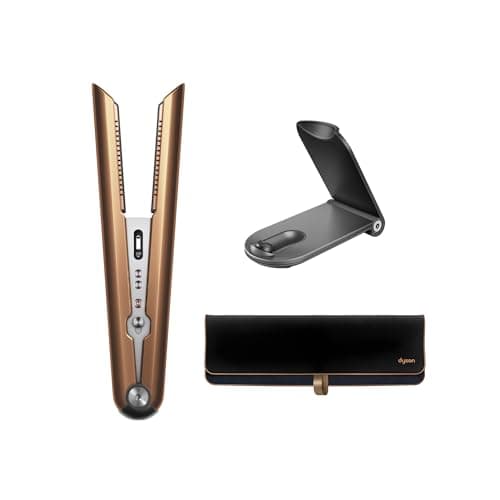 Dyson Corrale StraightenerFlexing manganese-copper plates gather the hair instead of squashing it, which is a mechanical route to the same result at a lower number on the dial. Dyson Corrale StraightenerFlexing manganese-copper plates gather the hair instead of squashing it, which is a mechanical route to the same result at a lower number on the dial. | Getting a result at a lower temperature | Cordless flexing-plate iron | |
| 4 | 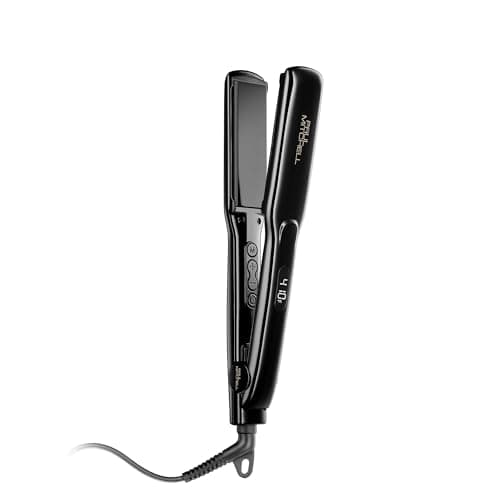 Paul Mitchell Smooth+ Ceramic Flat Iron (1.25 in)A 1.25-inch plate and a 410F ceiling: wider than the standard inch so it covers more hair per pass, and capped below the 450F irons that exist to win a spec sheet. Paul Mitchell Smooth+ Ceramic Flat Iron (1.25 in)A 1.25-inch plate and a 410F ceiling: wider than the standard inch so it covers more hair per pass, and capped below the 450F irons that exist to win a spec sheet. | Long, thick hair where plate width saves passes | 1.25-inch ceramic iron | |
| 5 | 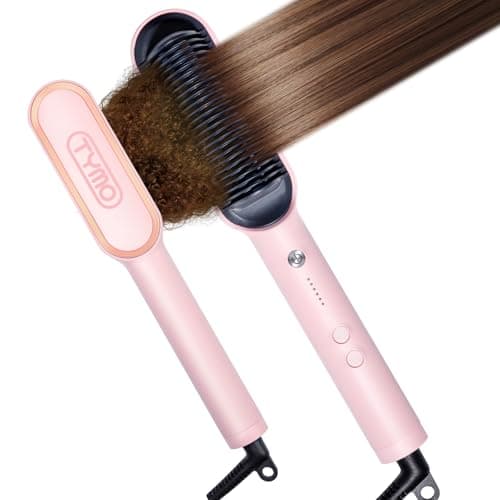 TYMO Ring Hair Straightener BrushFive published temperatures from 266F to 410F, each labeled for a hair type, on a tool that smooths rather than clamps. That last part is the whole point. TYMO Ring Hair Straightener BrushFive published temperatures from 266F to 410F, each labeled for a hair type, on a tool that smooths rather than clamps. That last part is the whole point. | Smoothing thick hair without pressing it flat | Straightening brush |
#1 · A single temperature chosen for hair health, not marketing
ghd platinum+ Styler
One temperature, 365F, held by a sensor system reading 250 times a second. It is the opposite design philosophy to a 450F iron and it is the better one.
| Temperature | Optimized constant 365F across the platessource |
|---|---|
| Heat regulation | Ultra-zone predictive technology monitors heat 250 times a secondsource |
| Adaptation | Recognizes hair thickness and speed of styling and adjusts accordinglysource |
| Plates | Precision-milled ceramic plates with a wishbone hinge and round barrelsource |
| Auto shut-off | After 30 minutessource |
| Voltage | Universal voltagesource |
What those numbers mean
365F as a fixed target is a deliberate rejection of the specification race. It sits under every temperature the thermal-damage literature associates with cortex damage, and the tool simply will not let you go higher.
The interesting part is the 250-readings-per-second control loop. A conventional iron cools when cold hair hits it and then overshoots on the way back; a fast loop holds the number, which is why one pass at 365F can beat two at 400F.
ghd publishes percentage claims about stronger hair, more shine and color protection. Those are the manufacturer's own claims from their own testing, and we are not in a position to verify them, so treat them as positioning rather than data.
What it does well
- One well-chosen temperature, under every threshold in the cited research
- 250 temperature readings per second, the fastest control loop published here
- Rounded barrel makes curls and waves possible with the same tool
- Universal voltage and a 30-minute auto shut-off
What it does not
- No adjustment at all, so very coarse hair may need more passes
- Premium price for a single-temperature tool
- The percentage benefit claims are the manufacturer's own and unverifiable from outside
Skip this one if: Skip it if you have dense, coarse or 4C hair and want a silk-press result in one pass. 365F is a health-first ceiling, and on that hair type it will mean revisiting sections.
#ad · how this is funded · price as of October 23, 2026
#2 · Thick or coarse hair that needs one pass, not four
BaBylissPRO Nano Titanium 1-inch Ultra-Thin Straightener
Fifty heat settings from 240F to 450F on extra-long 5-inch titanium plates — the reach coarse hair needs, and a floor low enough for fine hair if you trust yourself with the dial.
| Plates | 1-inch wide, extra-long 5-inch platessource |
|---|---|
| Temperature | 50 heat settings, up to 450Fsource |
| Heater | Dual-voltage ceramic heater for rapid heat-up and recoverysource |
| Housing | Ryton, to resist high heatsource |
| Ions | Emits negative ionssource |
| Cord | 9 ft swivel cordsource |
| Warranty | Limited 4-year warrantysource |
What those numbers mean
Plate length is the specification nobody markets and everybody should. Five inches of plate covers more hair per pass, which means fewer passes, which is the only heat-damage variable fully in your control.
Fifty settings is not gimmickry when the range runs to 450F. It means you can sit at 320F or 340F precisely rather than choosing between a low, medium and high that nobody has defined.
Titanium conducts heat faster than ceramic and recovers faster after a cold section of hair pulls the temperature down. That is genuinely useful on coarse hair and genuinely dangerous on fine hair.
What it does well
- Extra-long 5-inch plates mean fewer passes on long hair
- Fifty discrete settings, so a low temperature is actually selectable
- Fast titanium heat recovery mid-section
- Four-year warranty and a 9-foot cord
What it does not
- 450F is above every threshold in the research and should not be used
- Titanium's fast heat transfer is unforgiving of a slow hand
- No auto shut-off — the manual warns it burns out if left on, voiding the warranty
Skip this one if: Skip it if you are the kind of person who reaches for the maximum setting. Fifty settings only helps if you use the low ones, and the top of this range is a number no hair needs.
#3 · Getting a result at a lower temperature
Dyson Corrale Straightener
Flexing manganese-copper plates gather the hair instead of squashing it, which is a mechanical route to the same result at a lower number on the dial.
| Heat settings | Three settings — 330F, 365F and 410Fsource |
|---|---|
| Plates | Flexing plates engineered from a manganese copper alloysource |
| Heat regulation | Integrated sensor system regulates plate temperature 100 times a secondsource |
| Power | 4-cell lithium-ion battery, cord-freesource |
| Auto shut-off | Switches off after 10 minutes of inactivitysource |
What those numbers mean
Rigid plates only touch the outside of a section, so the hair in the middle needs more heat or more passes. Plates that flex to gather the section apply pressure across all of it, which is why the same style lands at a lower setting.
Three published temperatures is the disclosure that matters, and 330F is a genuinely usable low setting rather than a token one.
Cordless is a convenience feature with a real cost: a battery has a runtime and a lifespan, and both are finite in a way a cord is not.
What it does well
- Three published temperatures including a low, usable 330F
- Flexing plates are a real mechanism rather than a coating claim
- Cordless, which makes back sections and travel genuinely easier
- Plates lock and it shuts off after ten minutes
What it does not
- Battery runtime limits a long styling session
- The most expensive straightener in this roundup by a wide margin
- A battery is a wear part; a corded iron has none
Skip this one if: Skip it if you style at home beside an outlet and never take an iron anywhere. You would be paying a large premium for cordless operation you will not use, and the flexing-plate benefit alone is unlikely to justify it.
#ad · how this is funded · price as of October 23, 2026
#4 · Long, thick hair where plate width saves passes
Paul Mitchell Smooth+ Ceramic Flat Iron (1.25 in)
A 1.25-inch plate and a 410F ceiling: wider than the standard inch so it covers more hair per pass, and capped below the 450F irons that exist to win a spec sheet.
| Temperature | Customizable heat settings up to 410Fsource |
|---|---|
| Plates | 1.25-inch cushioned ceramic plates with beveled edgessource |
| Heat-up | Up to 410F in 60 secondssource |
| Voltage | Automatic dual voltage, for worldwide usesource |
| Display | Large digital temperature displaysource |
| Auto shut-off | Automatic one-hour shut-offsource |
| Cord | 9 ft professional swivel cordsource |
What those numbers mean
The quarter inch of extra plate width sounds like nothing and is roughly a quarter fewer passes down a long section. Passes are the damage variable you control, so plate width is a hair-health specification disguised as a convenience one.
Capping at 410F instead of 450F is a choice we would like to see more of. Nothing about the extra 40 degrees produces a better result; it produces a better bullet point.
A digital display means you actually know the number. Irons with a dial marked low-to-high are asking you to guess, and people guess high.
What it does well
- 1.25-inch plates cover more hair per pass
- 410F ceiling rather than a spec-sheet 450F
- Digital display shows the real number
- One-hour auto shut-off and a 9-foot cord
What it does not
- Too wide for a fringe, short layers or edges
- 60-second heat-up is slower than the brushes here
- Paul Mitchell does not publish a low-end temperature figure
Skip this one if: Skip it if your hair is short, or if you style a fringe and face-framing pieces. A 1.25-inch plate cannot get close to the root on short sections without touching skin.
#ad · how this is funded · price as of October 23, 2026
#5 · Smoothing thick hair without pressing it flat
TYMO Ring Hair Straightener Brush
Five published temperatures from 266F to 410F, each labeled for a hair type, on a tool that smooths rather than clamps. That last part is the whole point.
| Temperature settings | 5 settings — 266F, 302F, 338F, 374F and 410F, labeled by hair type on the toolsource |
|---|---|
| Coating | Keratin-infused ceramicsource |
| Heating surface | 25 ceramic heating plates, 3D heating teethsource |
| Heat-up | 20 secondssource |
| Voltage | Dual voltagesource |
| Safety | Anti-scald protection, 30-minute auto shut-offsource |
| Cord | 360-degree swivel cordsource |
What those numbers mean
A brush cannot press hair between two plates, so it cannot deliver a poker-straight finish. What it does instead is smooth the cuticle with much less mechanical stress, which is why it suits hair that breaks under a clamp.
Publishing all five temperatures with a hair type attached to each is unusually honest labeling. It means the tool is telling you not to use 410F on fine hair rather than leaving you to guess.
Twenty seconds to heat is faster than any iron here, and on a weekday that is the difference between using it and not.
What it does well
- All five temperatures published and labeled by hair type
- Far less mechanical stress than a clamping iron
- 20-second heat-up
- Anti-scald protection and a 30-minute auto shut-off
What it does not
- Cannot produce a fully straight, pressed finish
- The bristles need care around the scalp even with anti-scald
- 410F top setting is above the thresholds in the research
Skip this one if: Skip it if you want a sleek, glass-straight result or a silk press. A brush smooths; it does not press, and no setting on it will change that.
Why control beats maximum heat here
Curly hair is often coarse enough to need real heat, which pushes people toward the 450F end. But the damage that costs you the curl pattern is cumulative, and the biggest contributor is passes rather than peak temperature.
That is why the two tightly-controlled irons lead this page. ghd's 365F held to 250 readings a second, and the Corrale's flexing plates that gather the whole section rather than pressing only its surface, both aim at the same outcome: one pass instead of three. On curly hair that is worth more than another 40 degrees of headroom.
The sequence that saves the pattern
- Blow dry straight first. Straightening a curl from air-dried texture means the iron is doing two jobs, and it will need far more passes. How to blow dry curly hair covers the tension method.
- Fully dry before the iron touches it. Wet keratin denatures between 120C and 150C, well below dry.
- Heat protectant on every section.
- Sections about an inch wide. Thicker sections are the main reason people end up doing repeat passes.
- One slow pass. If it is not straight, the section was too thick or the hair was not dry, and the answer is almost never more heat.
The brush option
The TYMO straightening brush is on this list deliberately. It cannot deliver a glass-straight finish — no brush can, because nothing is pressing the hair between two plates. What it does is smooth the cuticle at a published, hair-type-labeled temperature with far less mechanical stress than a clamp.
For a curly-haired reader who wants smooth rather than pin-straight, and who is worried about losing the pattern, that trade is often the right one. More on it in straightening brushes.
Related
The curly hair router collects every tool we cover for this texture, and the dryers for curly hair page covers the step that comes before this one.
Questions people actually ask
Will straightening my hair ruin my curls?
Not from one session at a sensible temperature. Curl loss happens when sustained high heat damages the disulfide bonds that hold the pattern, and that is cumulative — driven by temperature, contact time, number of passes and frequency. Straightening occasionally at 350F with one pass per section is a different risk profile from straightening weekly at 450F with three.
What temperature should I use to straighten curly hair?
Curly hair varies enormously in coarseness, so the range that gets used runs roughly 300-380F for medium curls and higher for coarse or coily textures. Published research reports cortex damage from around 392F, so treat that as the practical ceiling rather than a target. If one pass is not straightening it, the section is usually too thick.
What is heat training and does it work?
Heat training describes repeatedly heat-styling curly hair until the pattern loosens permanently. It does work in the sense that the pattern does loosen — but the mechanism is cumulative damage to the disulfide bonds that create the curl, and it is not reversible. We are not going to describe it as a technique, because it is a decision to accept permanent structural change.
Should I straighten curly hair wet or dry?
Completely dry, always. Wet keratin is reported to denature between 120C and 150C, far lower than dry keratin, so a 350F plate on damp hair is operating well past the point of irreversible damage. Blow dry straight first with tension, then iron — that sequence also needs far fewer passes.
Sources
Every figure on this page traces to one of these. If a number here disagrees with the manufacturer, the manufacturer is right and we want to know — tell us.
- ghd platinum+ styler
- BaBylissPRO Nano Titanium 1-inch ultra-thin straightener (BNT4072TUC)
- Dyson Corrale straightener
- Paul Mitchell Smooth+ ceramic flat iron (1.25 in)
- TYMO Ring hair straightener brush
- Thermal denaturation and structural changes of alpha-helical proteins in keratins, Journal of Structural Biology
Read next
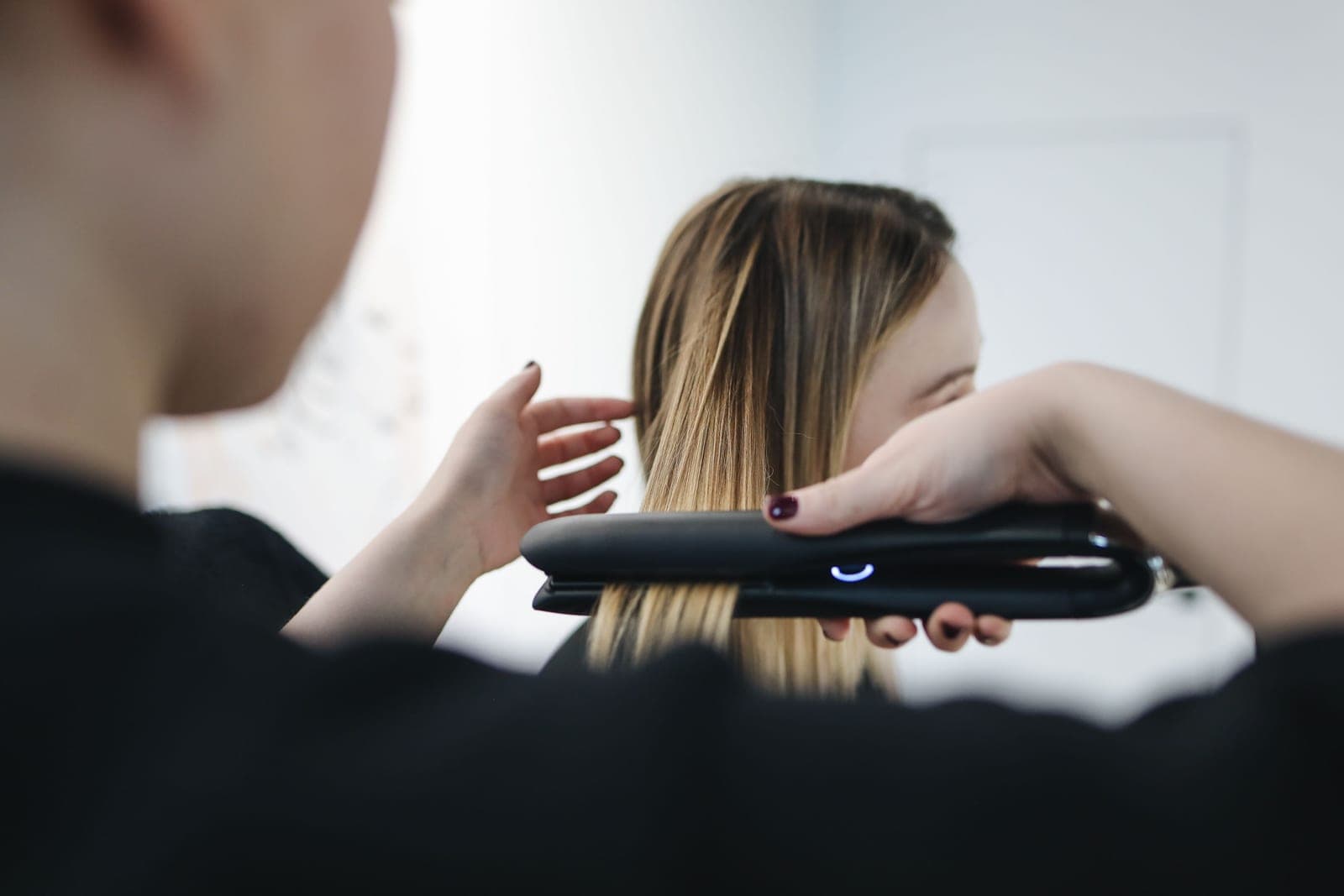
Best Overall
The Best Hair Straighteners and Flat Irons
Six flat irons compared on plate material, plate length and published temperature range, then matched to hair type.
Top pick: ghd platinum+ Styler

Curly Hair Guide
Hair Styling Tools for Curly Hair
Every dryer, iron, brush and styler we recommend for curly hair, with the airflow and technique rules that apply to all of them.
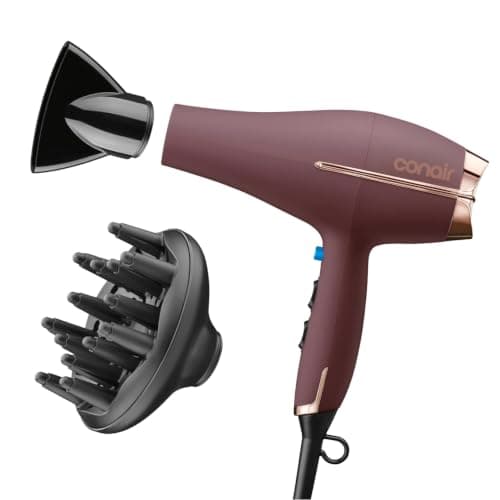
Top pick: Conair InfinitiPro 1875W Salon Performance AC Motor Dryer (259BDNRY)
Best for Curls
The Best Hair Dryers for Curly Hair
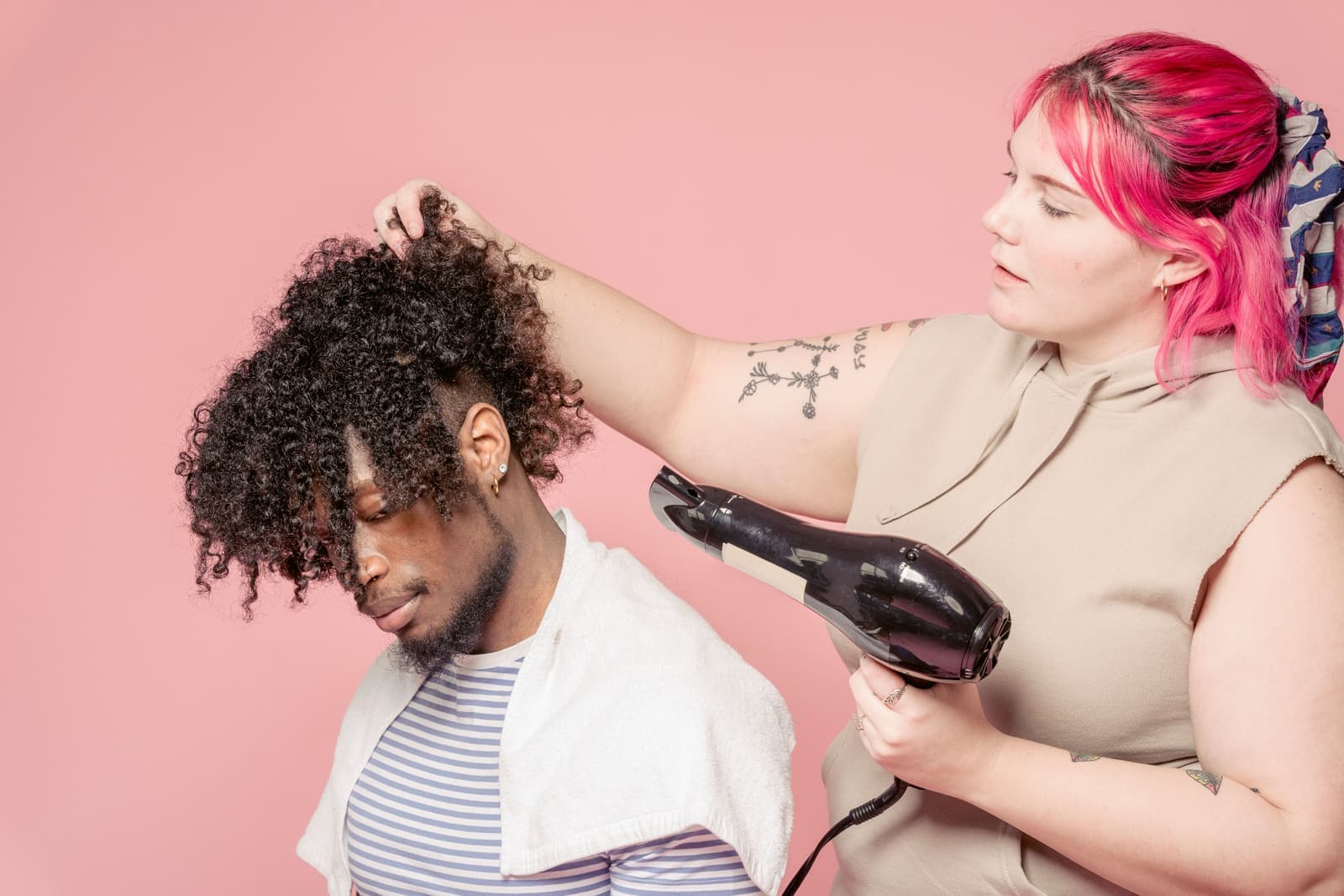
Five dryers ranked for curls on diffuser quality, airflow control and published heat ceilings — including which ones ship a diffuser and which quietly do not.
Top pick: Conair InfinitiPro 1875W Salon Performance AC Motor Dryer (259BDNRY)
Best Brush
The Best Straightening Brushes
Four straightening and smoothing brushes ranked on published temperature and bristle design, with an honest account of the finish they cannot produce.
Top pick: TYMO Ring Hair Straightener Brush
Damage Guide
How to Prevent Heat Damage
The thermal thresholds from published research, and the seven changes that reduce heat damage most, ordered by how much they help.
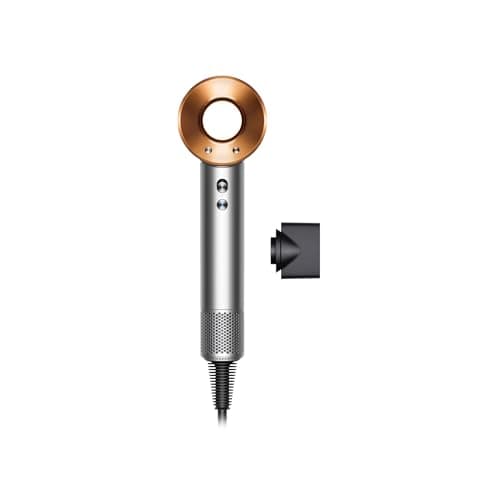
Top pick: Dyson Supersonic Origin Hair Dryer