How to Get a Blowout at Home
The difference between a salon blowout and yours is not the dryer. It is sectioning, tension and one step at the end that almost everyone skips.
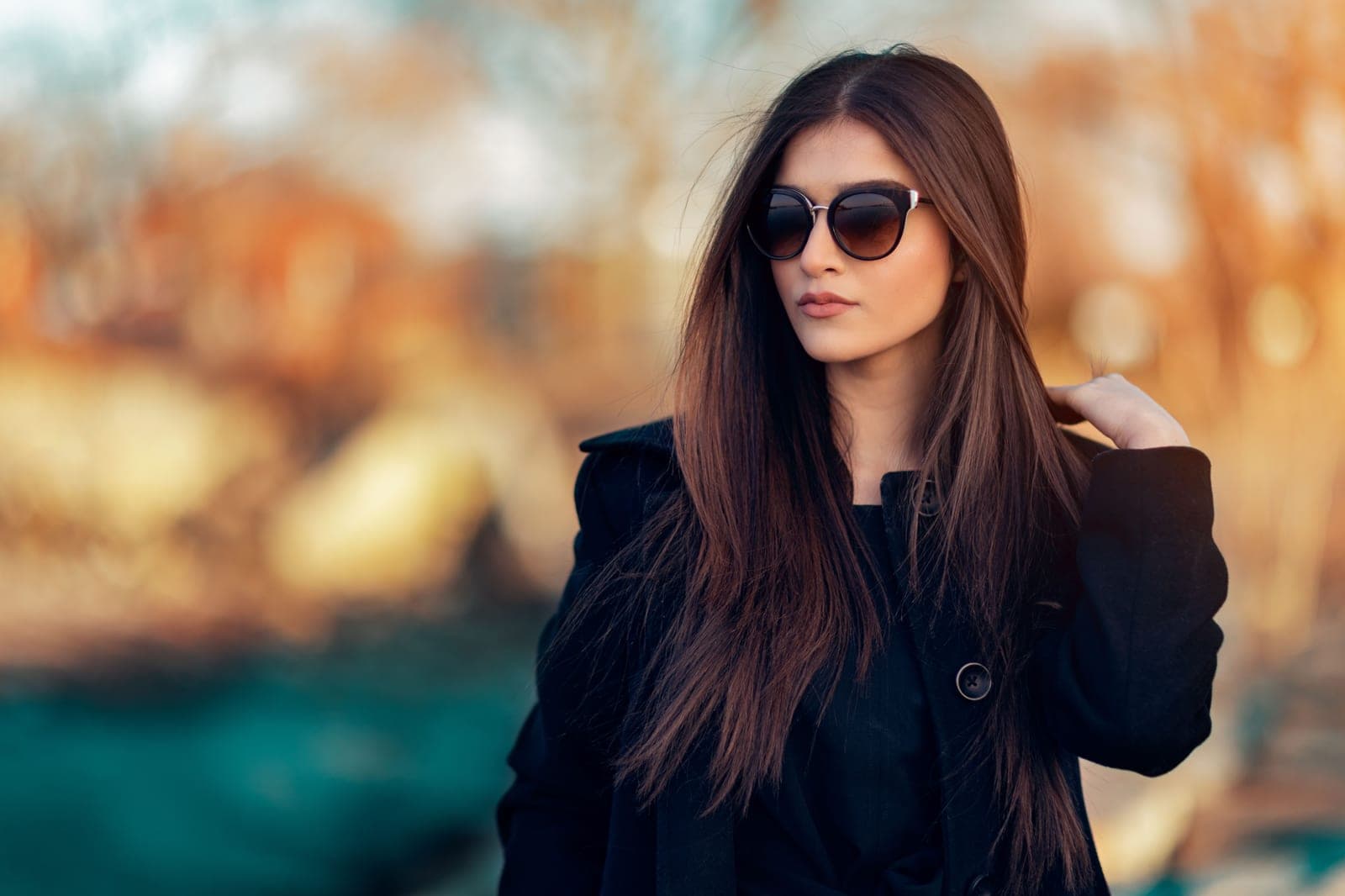
How this page is funded: the buy links below are affiliate links, and Heat Index earns a commission on qualifying purchases at no cost to you. Nothing on this page was supplied by a manufacturer, and commission plays no part in the ranking — read the full disclosure. Picks are chosen from published specifications, not from hands-on testing; the method is written down so you can check it. Prices last verified October 22, 2026.
A salon blowout looks better than a home one for three reasons, and none of them is the dryer. They are sectioning, tension, and the cool shot — and all three are free.
The tools help. A one-step brush removes the two-handed coordination problem, and a light dryer means you can finish without your arm giving out. But if you do these three things with the dryer you already own, the result improves more than any purchase would deliver.
The method
- Rough dry to 80 percent first. Head down, medium heat, high speed, no attachment, fingers through the roots. This stage is about removing water, not about shaping — and it is the stage people skip, which is why their blowout takes forever.
- Apply product now, not earlier. A smoothing cream or serum on 80-percent-dry hair distributes properly. On soaking hair it dilutes.
- Clip into four sections minimum — nape, two sides, crown. Six on thick hair. This is the step that separates salon from home, and it feels excessive until you see the difference.
- Attach the concentrator and point it down the hair shaft, root to tip. Never against it. This is what lays the cuticle flat and produces shine.
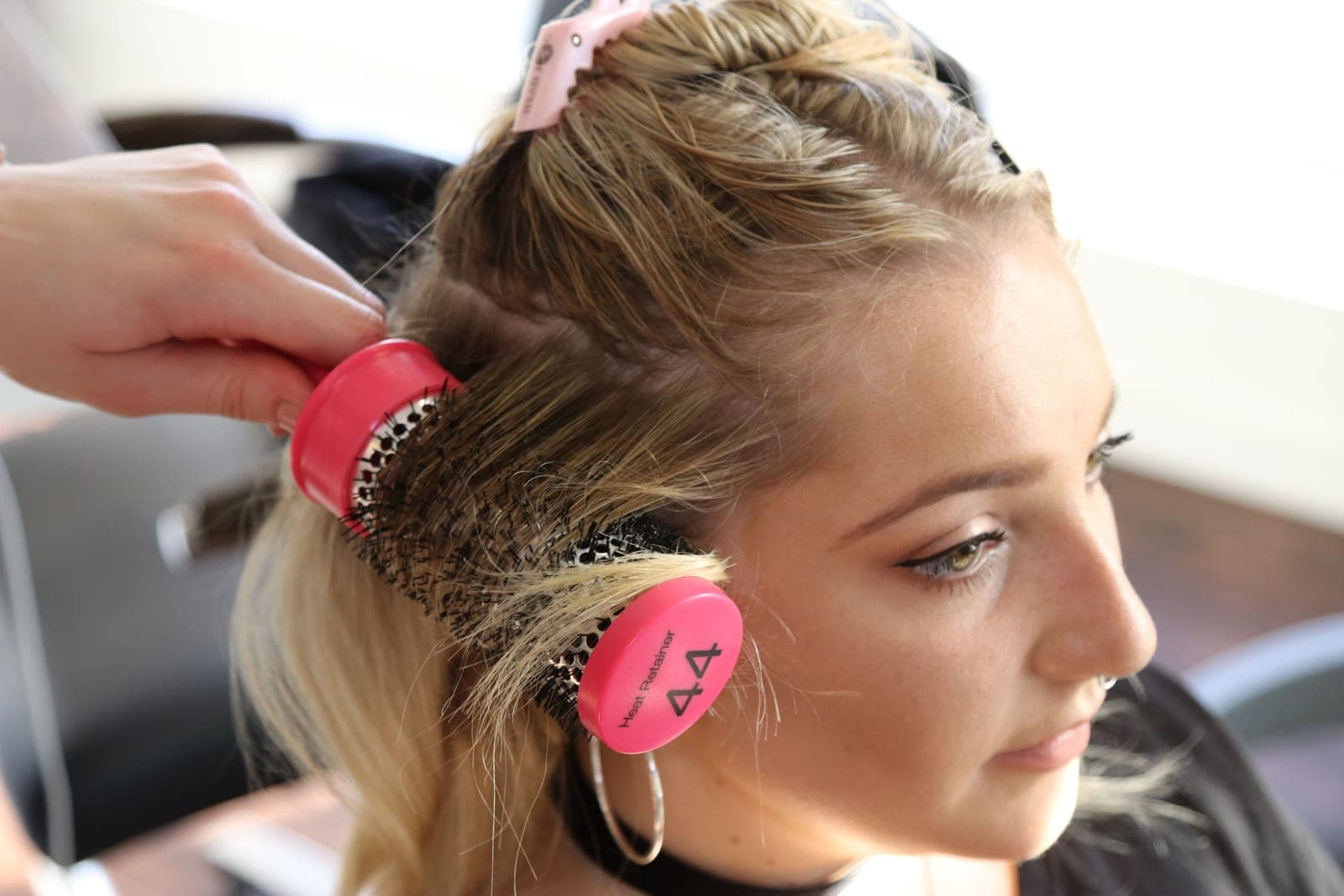
- Take a section, keep tension with the brush, and follow the brush down with the dryer nozzle, staying an inch behind it. Tension is what straightens the hair; heat only sets it.
- Overdirect at the root for volume. Pull the section past vertical, opposite to how it will sit, and dry it there.
- Cool shot at the end of every section, before you unclip the next one. Not once at the end — every section.
- Leave it alone once it is done. Brushing it out afterwards undoes the shape you just set.
Quick picks
Ranked, with the reasoning underneath. Tap any row to jump to that write-up; tap the price to check it on Amazon. Prices come from the live layer, never from this page.
| # | Product | Best for | Type | Price |
|---|---|---|---|---|
| 1 | 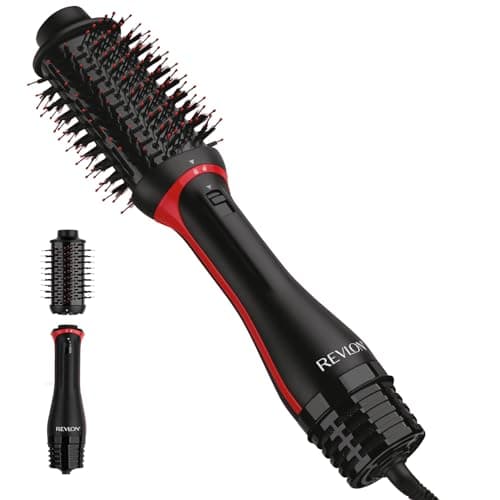 Revlon One-Step Volumizer PLUS 2.0A 2.4-inch oval barrel at 1,100W and 15 ounces: the tool that made at-home blowouts a normal thing, in its most refined version. Revlon One-Step Volumizer PLUS 2.0A 2.4-inch oval barrel at 1,100W and 15 ounces: the tool that made at-home blowouts a normal thing, in its most refined version. | A first blow-dry brush that does not need technique | One-step dryer brush | |
| 2 | 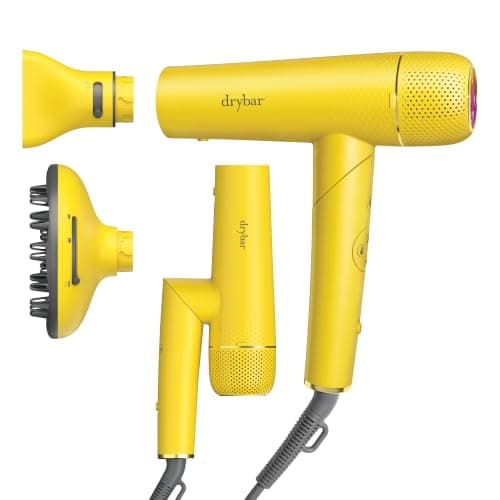 Drybar Buttercup PRO Professional Blow-Dryer1,875W at roughly 540 g, which is the combination almost nothing else in the category manages, plus a mode that alternates hot and cool air specifically to cut heat exposure. Drybar Buttercup PRO Professional Blow-Dryer1,875W at roughly 540 g, which is the combination almost nothing else in the category manages, plus a mode that alternates hot and cool air specifically to cut heat exposure. | A full-power dryer that is genuinely light | 1,875W ionic dryer | |
| 3 | 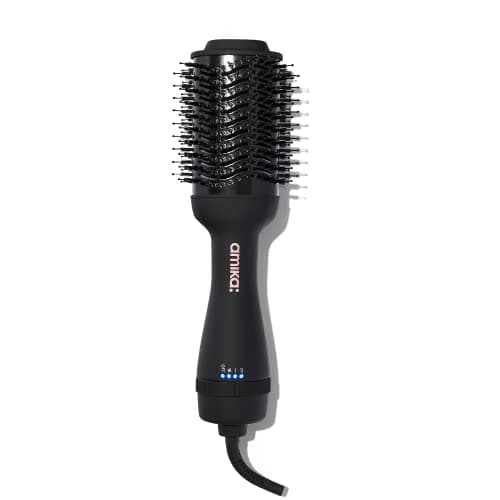 amika Hair Blow Dryer Brush 2.0The only blow-dry brush here that publishes its three temperatures — 115F, 190F and 230F — and every one of them is below the damage thresholds in the research. amika Hair Blow Dryer Brush 2.0The only blow-dry brush here that publishes its three temperatures — 115F, 190F and 230F — and every one of them is below the damage thresholds in the research. | Knowing exactly how hot the brush is | One-step dryer brush | Check price#ad |
#1 · A first blow-dry brush that does not need technique
Revlon One-Step Volumizer PLUS 2.0
A 2.4-inch oval barrel at 1,100W and 15 ounces: the tool that made at-home blowouts a normal thing, in its most refined version.
| Power | 1,100W motorsource |
|---|---|
| Barrel | 2.4-inch oval barrelsource |
| Settings | Four settings — low, medium, high and coolsource |
| Barrel materials | Ceramic, titanium and tourmaline, with ionic technologysource |
| Weight | 15 ozsource |
What those numbers mean
An oval barrel is doing something a round brush cannot: the flat faces smooth while the curved ends bend the end of the section. That is why one pass produces both smoothness and a bit of shape.
1,100W is modest next to a standalone dryer, and it should be. This tool is in contact with your hair rather than held six inches away, so the same wattage delivers far more heat to the strand.
Fifteen ounces is the specification that decides whether you finish. A brush you hold at head height for twenty minutes is an endurance event if it is heavy.
What it does well
- Combines the dryer and the round brush, which removes the two-handed coordination problem
- Oval barrel smooths and shapes in one pass
- A genuine cool setting for setting the style
- 15 oz, light enough for a long session
What it does not
- Revlon does not publish an actual temperature for any setting
- A one-step brush cannot match a separate dryer and round brush for control
- 2.4 inches is too large for short hair or a fringe
Skip this one if: Skip it if your hair is soaking wet and very thick. These brushes are designed for hair towel-dried to roughly 80 percent, and starting from wet is where people conclude they are underpowered.
#2 · A full-power dryer that is genuinely light
Drybar Buttercup PRO Professional Blow-Dryer
1,875W at roughly 540 g, which is the combination almost nothing else in the category manages, plus a mode that alternates hot and cool air specifically to cut heat exposure.
| Power | 1,875 watts at 125 voltssource |
|---|---|
| Weight | Approximately 540 g, about 1 lb 3 ozsource |
| Cord | 8 ft power cordsource |
| Motor | BLDC motorsource |
| Drybar Mode | Alternates between hot and cool air to help limit heat exposure while stylingsource |
| Ion control | Adjustable ion levels, which Drybar states deliver up to 2x shinier hair compared with air-dried hairsource |
| Controls | Digital display for adjusting temperature, airflow and ion levelsource |
| Attachments | 2-in-1 concentrator and a customizable diffuser, with per-attachment memory settingssource |
What those numbers mean
Full wattage at roughly 540 g is the specification to notice. The Conair AC dryer with the same nominal power weighs nearly twice as much, and weight is the variable that decides whether you finish the blowout.
Drybar Mode is the genuinely unusual feature: the dryer alternates hot and cool air rather than holding one temperature, which is a heat-exposure argument rather than a speed one. It is the same reasoning behind every cool-shot finish, applied continuously.
Note what Drybar does not publish. There is a wattage, a voltage, a weight and a cord length, and then it stops — no airflow figure, and no temperature for any setting despite the digital display.
What it does well
- 1,875W at roughly 540 g, among the best power-to-weight here
- A diffuser and a concentrator both in the box
- Drybar Mode targets heat exposure rather than drying speed
- Per-attachment memory, so settings persist per head
What it does not
- Drybar publishes no air velocity figure and says so directly when asked
- No published temperature for any setting, despite the digital display
- Drybar's published warranty list does not yet name the PRO
- Priced well above equivalent-wattage drugstore dryers
Skip this one if: Skip it if you want numbers you can check. Drybar publishes the wattage, voltage, weight and cord length and then stops, and at this price a dryer that names its airflow and its temperatures is the more defensible buy.
#ad · how this is funded · price as of October 22, 2026
#3 · Knowing exactly how hot the brush is
amika Hair Blow Dryer Brush 2.0
The only blow-dry brush here that publishes its three temperatures — 115F, 190F and 230F — and every one of them is below the damage thresholds in the research.
| Heat and speed settings | 3 adjustable settings at 115F, 190F and 230Fsource |
|---|---|
| Power | 950Wsource |
| Barrel | Tourmaline-coated oval barrel generating negative ions and infrared heatsource |
| Bristles | Mixed long and short bristles to detangle, smooth and minimize breakagesource |
| Weight | 0.85 lb / 380 gsource |
| Cord | 9 ft with 360-degree swivelsource |
| Warranty | 2-year warrantysource |
What those numbers mean
Three published temperatures on a blow-dry brush is close to unique, and the numbers are the reassuring part. Even the top setting of 230F sits below the 302F line and far below anything the thermal research associates with cortex damage.
950W is the lowest wattage of any brush here and, for hair that is bleached or fine, that is a feature. Less power means a slower dry and a lower ceiling, and slower is the safe direction.
0.85 lb is the lightest tool in this entire registry. On a twenty-minute blowout, that is the specification you will notice most.
What it does well
- Publishes all three temperatures, and all three are conservative
- 0.85 lb, the lightest tool here
- 9-foot swivel cord and a 2-year warranty
- Mixed bristle lengths for detangling without dragging
What it does not
- 950W is genuinely slow on thick hair
- A 230F ceiling will not produce a sharp, glassy finish
- Priced above the Revlon brushes it competes with
Skip this one if: Skip it if your hair is thick and you want to be done quickly. 950W and a 230F ceiling are a deliberate choice for hair health, and on dense hair that choice reads as a long, slow blowout.
Why each of the three actually matters
| Technique | What it does |
|---|---|
| Sectioning | Air only dries surfaces it reaches. Working the whole head at once means the top dries while the underneath stays wet, and you end up re-drying finished hair |
| Tension | Straightening comes from mechanical tension while the hair cools, not from heat. A brush held taut does the work; the dryer just sets it |
| Cool shot | Heat makes hydrogen bonds moldable; cooling re-forms them in the new shape. Release a warm section and it relaxes back as it cools |
The one-step brush shortcut
A one-step blow-dry brush collapses the dryer and the round brush into one tool, which removes the hardest part of the whole process: coordinating two hands behind your own head where you cannot see.
The technique above still applies — sectioning, tension and cooling do not change. What changes is that you have one hand free for the tension instead of trying to manage a dryer and a brush at once. That is why the blow-dry brush category exists, and it is a real usability advance rather than a gimmick.
Making it last
- Cool shot on every section. Repeating this because it is the one people skip and it is the main reason blowouts drop.
- Do not touch it once it is set. Hands add oil and disturb the shape.
- Sleep on silk, or pineapple it loosely on top of your head. Cotton pillowcases create friction and friction lifts cuticle.
- Dry shampoo at the root on day two, before it looks greasy rather than after.
- A humid day will shorten it regardless of technique. Hydrogen bonds re-form in the presence of water, which is why a blowout drops in humidity — no product fully prevents it.
If your hair is curly and you want it smooth rather than defined, blow-dry brushes for curly hair covers the differences. If you want the curl instead, how to blow dry curly hair is the opposite technique.
Questions people actually ask
How do you get a salon blowout at home?
Three things, all free: section the hair into at least four clipped sections, keep real tension on each section with the brush as you dry it, and finish every section with the cool shot before unclipping the next. Rough dry to about 80 percent first with no attachment, then use a concentrator pointed down the hair shaft. The tools matter far less than these three habits.
How long does a blowout take at home?
Fifteen to thirty minutes for most hair once you are sectioning properly, with the rough-drying stage taking about a third of that. It feels longer at first because sectioning seems like an extra step — but working the whole head at once means re-drying hair that is already dry, which takes longer overall.
Why does my blowout not last?
Almost always a skipped or too-brief cool shot. Heat makes the hydrogen bonds in hair moldable and cooling re-forms them in the new shape, so a section released while warm relaxes as it cools. Do the cool shot at the end of every section rather than once at the very end. Humidity will still shorten a blowout regardless, because water re-forms those bonds.
Do I need a round brush for a blowout?
You need tension, which a round brush provides. A one-step blow-dry brush provides the same tension while also being the dryer, which removes the two-handed coordination that makes home blowouts hard. Either works; the brush type matters less than whether you are actually keeping the section taut.
Should I blow dry my hair wet or damp?
Start the rough-drying stage from towel-dried hair, and start the shaping stage at about 80 percent dry. Shaping soaking hair is where most of the time goes, and a one-step brush in particular is designed for that last 20 percent rather than for the whole job.
Sources
Every figure on this page traces to one of these. If a number here disagrees with the manufacturer, the manufacturer is right and we want to know — tell us.
Read next
Reference
Guides and Reference
Fourteen reference guides covering temperature by hair type, running costs, spec explainers and technique, every figure linked to its source.
Top pick: ghd platinum+ Styler
Best Overall
The Best Blow-Dry Brushes
Six blow-dry and hot-air brushes ranked on barrel diameter, bristle design and published temperature, from budget to multi-styler.
Top pick: Revlon One-Step Volumizer PLUS 2.0
Best Value Blowout
Revlon One-Step Volumizer Review
The Revlon One-Step read from its published specs, including the PLUS-versus-original difference and the usage mistake behind most complaints.
Top pick: Revlon One-Step Volumizer PLUS 2.0
Curl Technique
How to Blow Dry Curly Hair
The diffuser method step by step, with the fan-speed change that fixes most curly-hair frizz at no cost.
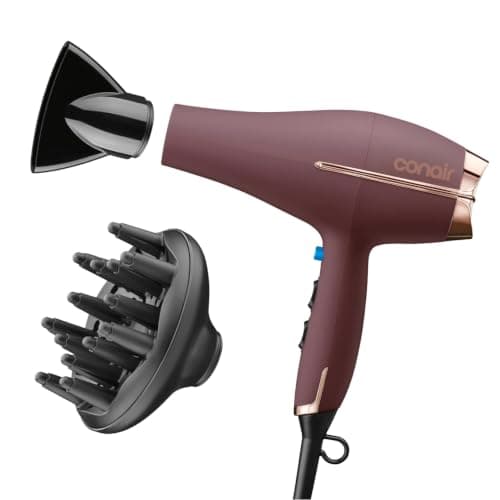
Top pick: Conair InfinitiPro 1875W Salon Performance AC Motor Dryer (259BDNRY)
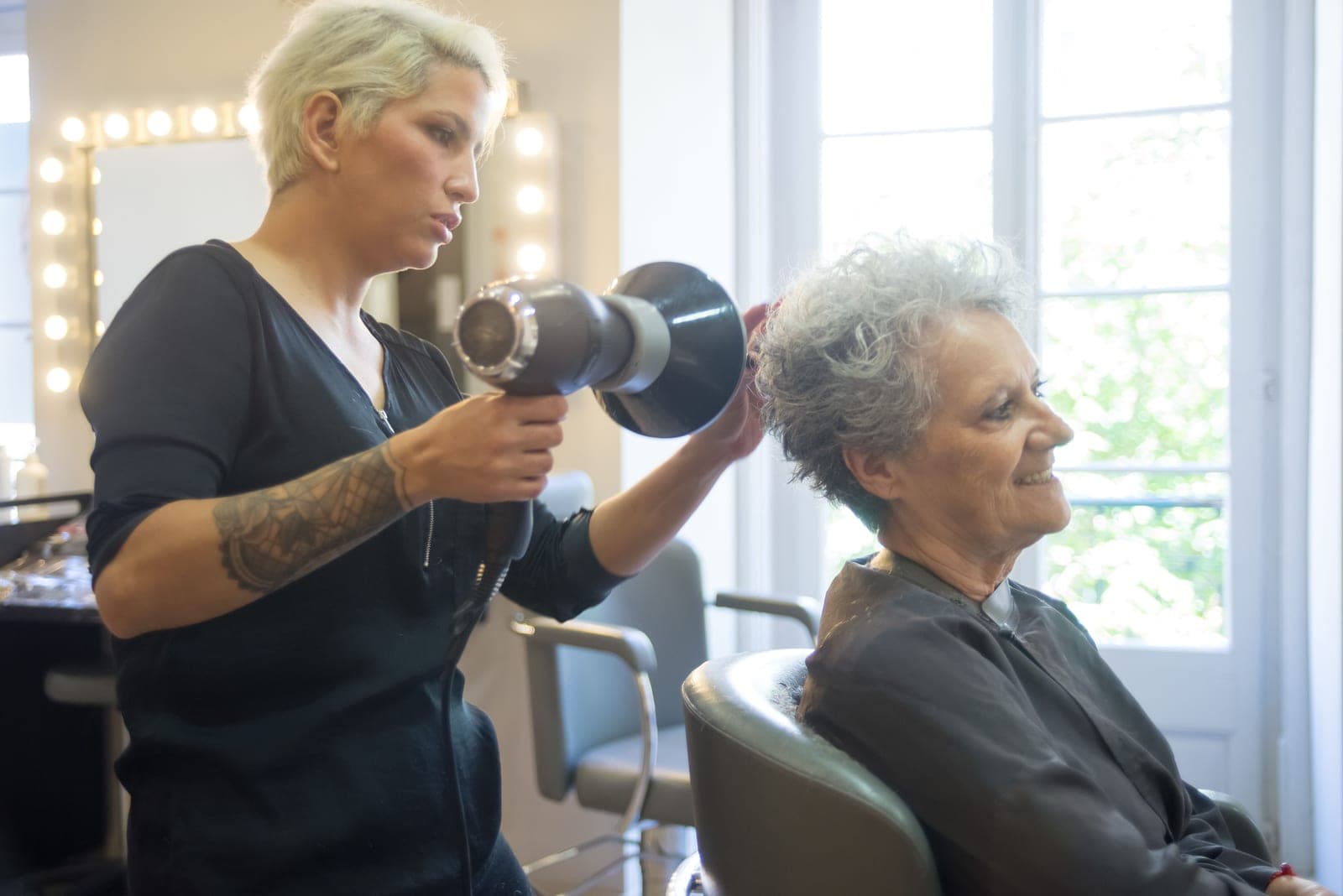
Best Overall
The Best Hair Dryers, Chosen by Hair Type
Nine dryers compared on published wattage, airflow and temperature ceilings, then routed to the hair type each one genuinely suits.
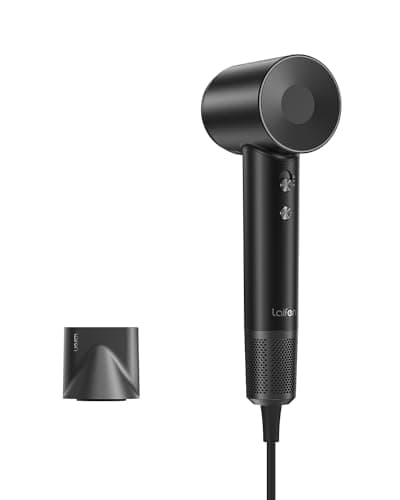
Top pick: Laifen Swift High-Speed Hair Dryer

Wavy Hair Guide
Hair Styling Tools for Wavy Hair
Every tool we recommend for wavy hair, organized around the one specification that matters here: versatility.
Top pick: Drybar Buttercup PRO Professional Blow-Dryer